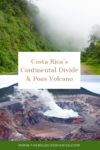
Poas Volcano and the Spectacular Costa Rica’s Continental Divide

Poas Volcano sits on Costa Rica’s Central Volcanic Cordillera, a landscape where weather, geology, and geography are constantly in flux. It’s a place where visibility can change in minutes, and where the experience is often shaped as much by what you don’t see as by what you do.

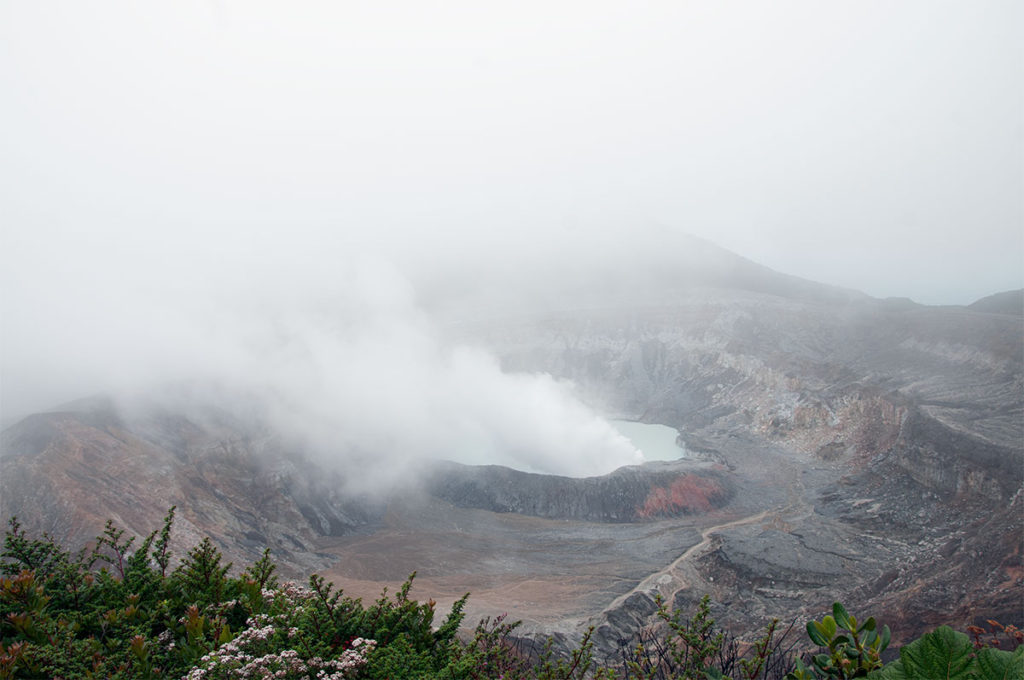
We arrived at Poas Volcano on a particularly misty morning, and when we reached the crater lookout, all we could see was a white wall of fog. It was an eerie scene, with the scent of sulphur clinging to the air, but the source of it concealed behind a thick veil of mist.

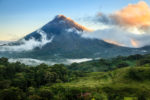
Poas Volcano covered in mist

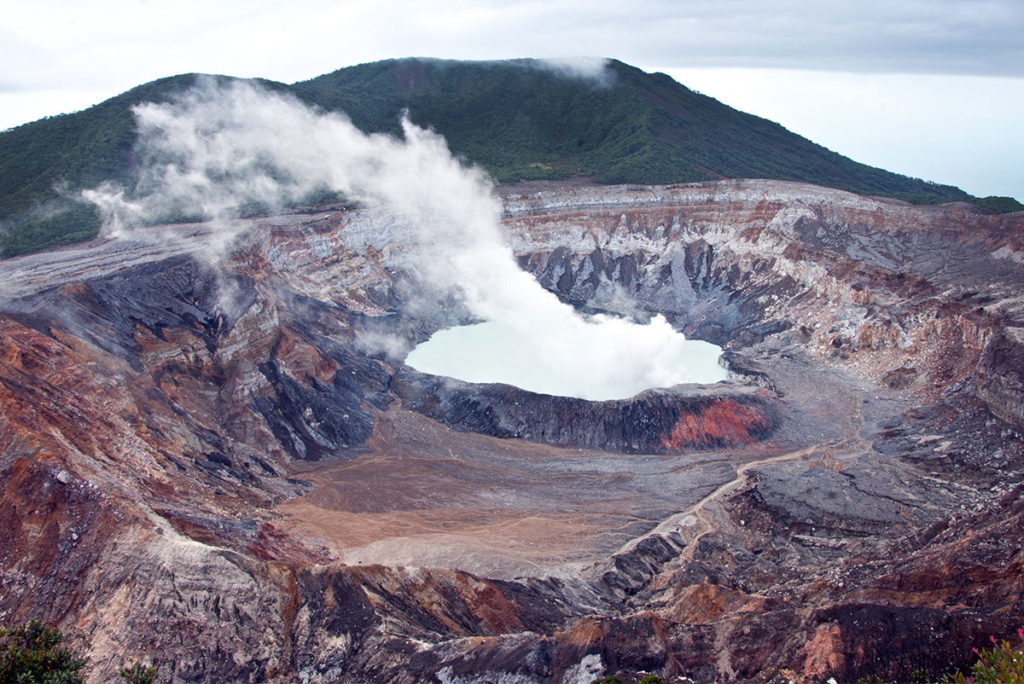
Just as we were about to turn around, the clouds lifted, and we had a few minutes of clear view of the rugged crater walls and the sulphurous lake at its centre.

Poas Volcano in Costa Rica
Laguna Caliente

What appeared and disappeared in front of us was Laguna Caliente, one of the most extreme crater lakes on Earth. The pale, opaque water sitting at the bottom of the active crater is not just acidic, but hyper-acidic, with a pH that can drop close to zero — comparable to battery acid. Its milky colour comes from a constantly shifting mix of dissolved volcanic gases, sulphur compounds, and metals leached from the surrounding rock.

This lake is also the clearest indicator that Poas is far from dormant. Unlike many volcanoes whose activity is measured in centuries, Poas is persistently active, with frequent changes in gas emissions, water chemistry, and water level. Small eruptions are common enough that access to the crater is regularly restricted.

That ongoing activity has very real consequences for visiting Poas volcano. In April 2017, an explosive phase sent ash and volcanic gases high into the air, forcing the closure of Poas Volcano National Park for nearly 17 months while conditions were monitored and safety measures reassessed.

More recently, a renewed eruptive period in early 2025, marked by frequent steam explosions, ash emissions, and elevated gas levels, led to another closure under a red alert in late March. After the activity gradually declined, the park reopened several months later.

Because access to the crater area is tightly regulated, entry tickets to Poas Volcano National Park must be booked online in advance through Costa Rica’s SINAC system. Visitor numbers and time slots are limited, and same-day tickets are often unavailable. Alternatively, you can visit Poas as part of an organised day tour from San Jose, which typically includes transport and park entry.

Laguna Botos at Poas Volcano

From the active crater, we followed a short trail through the dwarf cloud forest to a very different body of water. Laguna Botos, the second lake in Poas National Park, lies within an older, extinct crater formed thousands of years ago. Unlike Laguna Caliente, Botos is a true freshwater lake, fed by rain and mist rather than volcanic gases. Its chemistry is neutral, its surface often calm, and its surroundings lush with mosses, ferns, and low, wind-shaped trees.

The contrast between the two lakes is striking. One is acidic, unstable, and closely monitored; the other is quiet, vegetated, and almost idyllic. Walking between them feels like moving not just across the volcano, but across different geological timescales, from an actively breathing system to a landscape slowly reclaimed by forest.

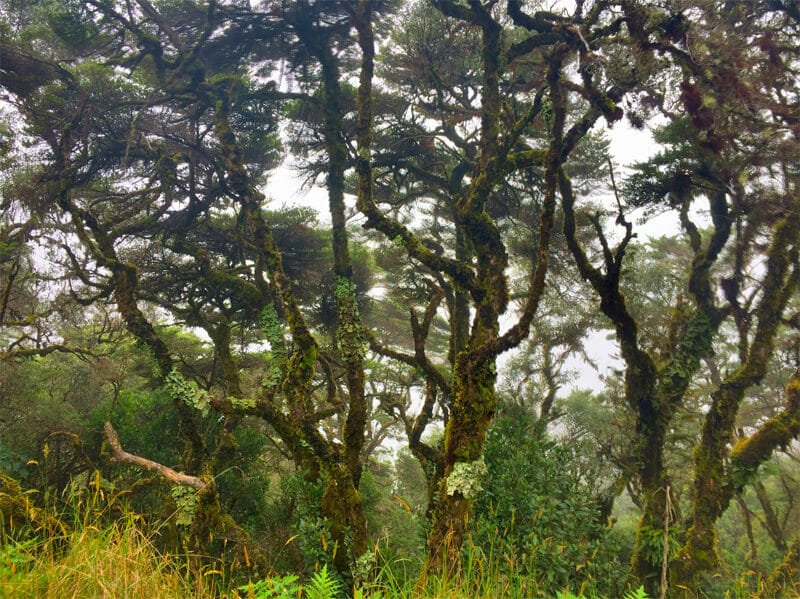
Dwarf clouded forest at Poas Volcano
Dwarf clouded forest

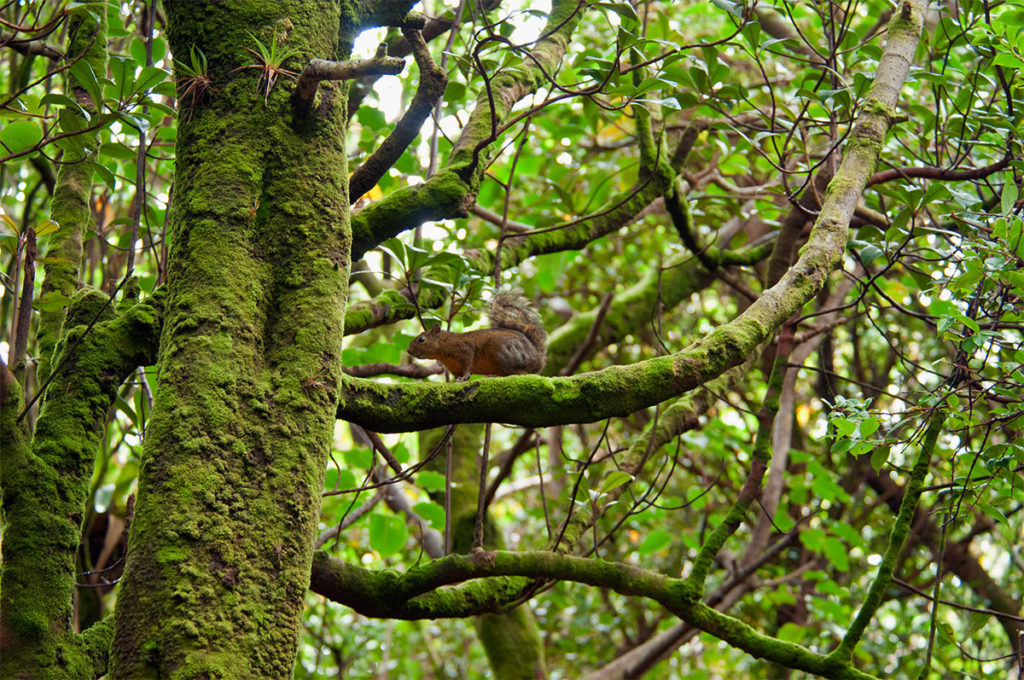
After leaving Laguna Botos, we continued along the trails that wind through Poas’ dwarf cloud forest. Here, the trees never grow tall. Constant wind, cold temperatures, and saturated soils keep them low and twisted, their branches heavy with mosses, lichens, and epiphytes.

Variegated squirrel at Poas Volcano, Costa Rica
Variegated squirrel in the cloud forest

Everything feels compressed and close, as if the forest has folded in on itself. Visibility shifts from one bend of the trail to the next, with mist drifting through the canopy and beads of water collecting on every leaf.

We walked slowly, hoping to spot the Poas squirrel, endemic to the area and one of the rarest animals in Costa Rica. Adapted to these high, cool elevations, it is seldom seen, and the forest gives little away easily.

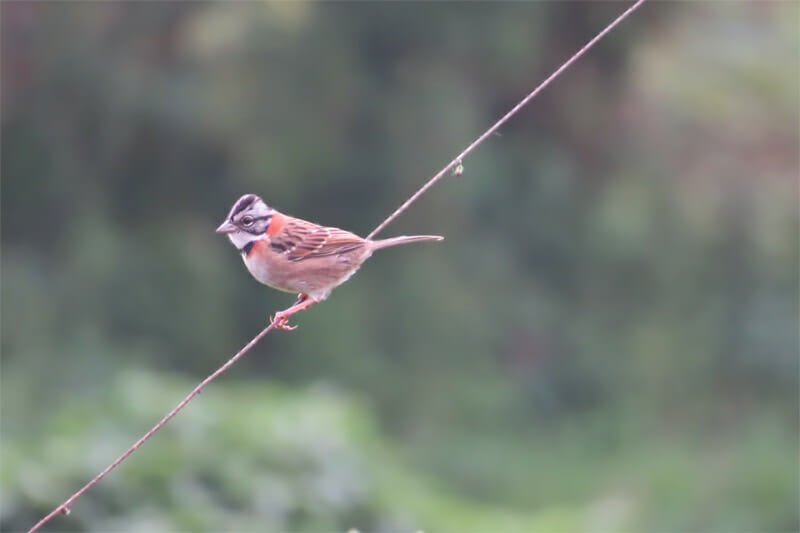
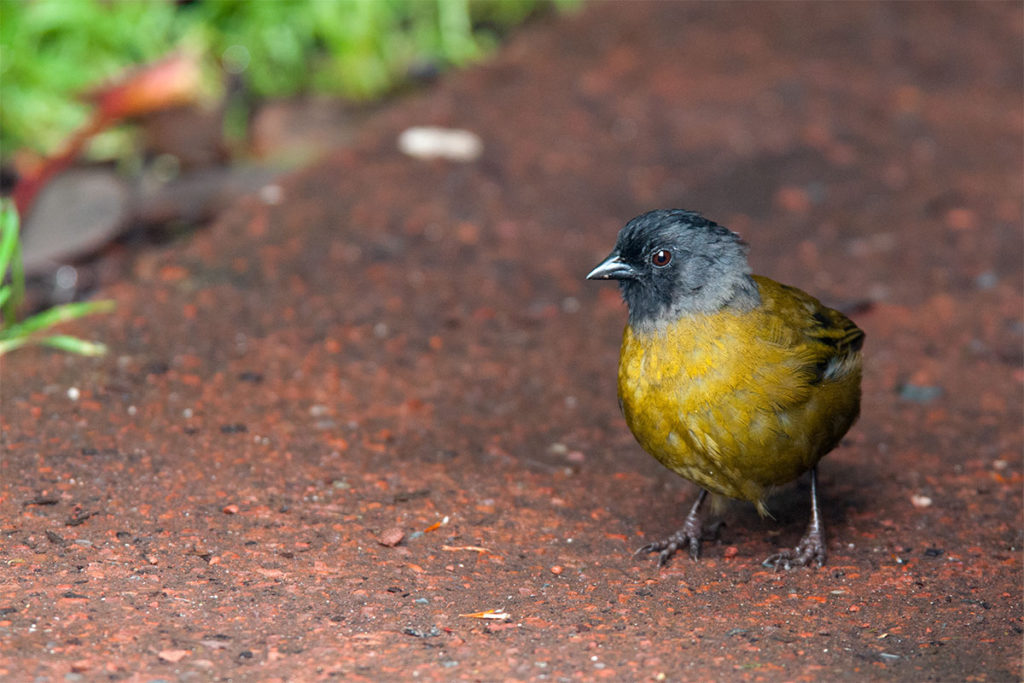
In the end, we only encountered a few variegated squirrels, along with a yellow-thighed finch, a large-footed finch, and a euphonia, their flashes of movement and colour briefly breaking the stillness.

Large-footed finch at Poas Volcano in Costa Rica
Large-footed finch

More than the sightings themselves, it was the atmosphere that we loved. The muffled soundscape, the constant moisture in the air, and the stunted trees all contributed to creating an otherworldly kind of environment.

Costa Rica’s Continental Divide

Costa Rica's continental divide

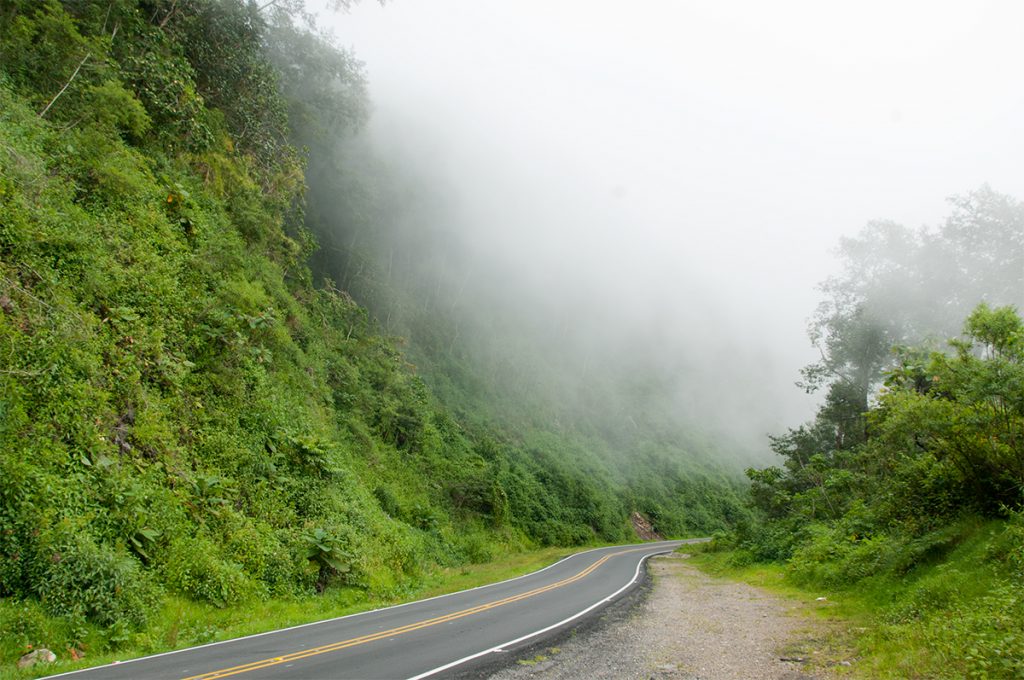
From Poas Volcano, heading east toward Tirimbina and the Caribbean slope, the road begins to trace Costa Rica’s continental divide, the high spine of mountains that separates rivers flowing toward the Pacific from those draining into the Caribbean. There’s no sign announcing it, and no single dramatic pass. Instead, Costa Rica’s continental divide reveals itself gradually, through changes in light, vegetation, and water.

Running the length of the country, Costa Rica’s continental divide marks the point where rainfall is split between two oceans. Rain falling on one side eventually reaches the Pacific; on the other, it feeds river systems that flow toward the Caribbean.

In Costa Rica, this line follows a series of mountain ranges rather than a single ridge, shifting between older uplands and younger volcanic terrain. You feel the difference not so much in elevation but in climate.

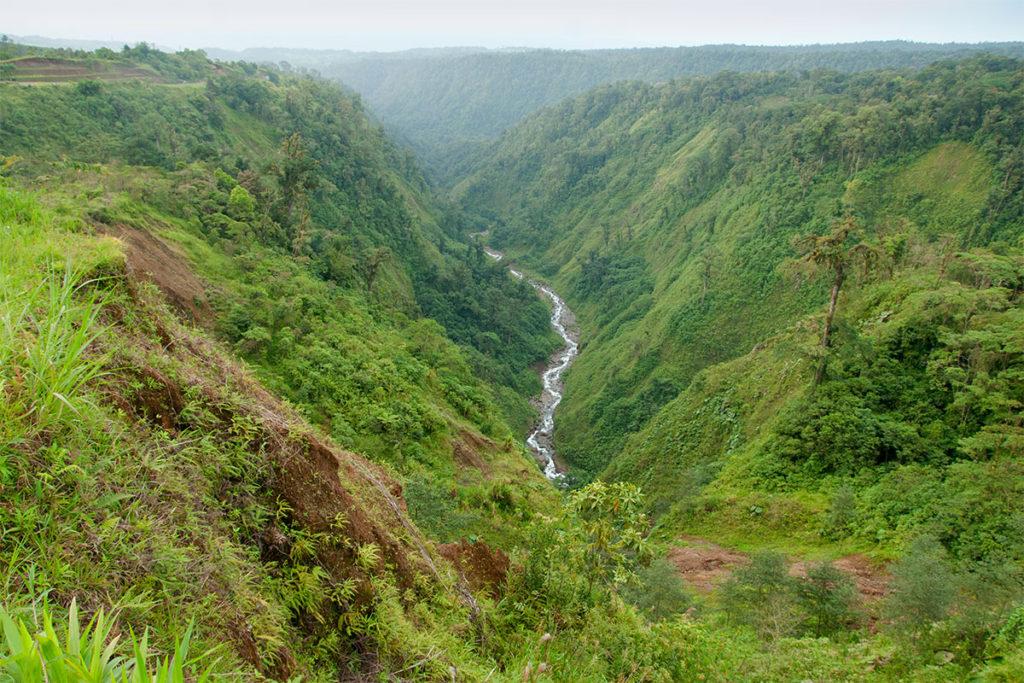
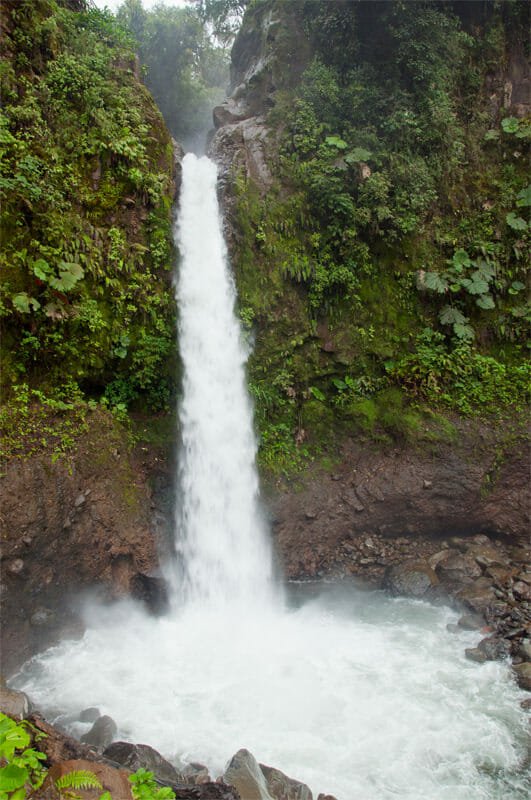
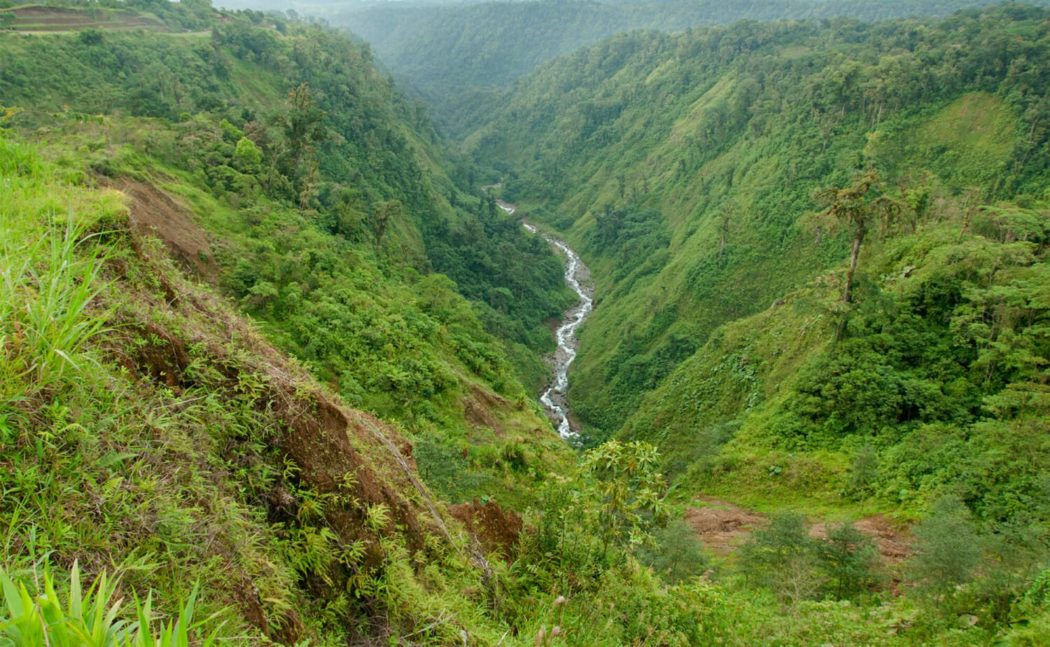
The winding road crossed deep volcanic gorges carved by young rivers dropping steeply away from the highlands. Waterfalls appeared suddenly beside the road, some plunging straight into narrow canyons, others spilling over moss-covered rocks. In places, low cloud hung so close to the forest canopy that it felt like we were driving through the clouds. Which, I guess, we were.

Costa Rica's Continental Divide
Costa Rica’s continental divide

What makes this stretch so striking is that it sits at the meeting point of two very different worlds. On one side of the divide, rivers are short and steep, cutting sharply through volcanic rock. On the other side, those same waters begin a much longer journey east, eventually feeding the Sarapiquí River system and flowing toward the Caribbean Sea. The rainforest thickens, the air grows heavier, and everything feels more saturated — greener, wetter, louder.

Earlier in the trip, we crossed the continental divide in the Talamanca Mountains, where it runs along high, rugged ridgelines of older, non-volcanic rock, and again around Monteverde, where cloud forest straddles the Pacific and Caribbean slopes.

Here near Poas volcano, the same divide feels younger and more dynamic, shaped by volcanic terrain and heavy rainfall. This almost empty highway through the mountains was more scenic than many of the national parks we visited, not because it was curated or clearly marked, but because it was unexpected and quietly jaw-dropping.

More on Costa Rica


author profile image
About the Author

Margarita is a PhD researcher whose work focuses on human–animal relationships, with a particular interest in wild cats. She is also a travel writer driven by a quest to see all 40 species of wild cats in their natural habitat. When she’s not chasing wild cats, she enjoys spending time in places where history and art are woven into the living fabric of everyday life - think Italy. More about Margarita...

Leave a comment

This site uses Akismet to reduce spam. Learn how your comment data is processed.