
Hobart is not only a lovely city with a world-famous museum but also the perfect base for exploring the broader region. Once you’ve done all the things to do in Hobart, it’s time to hit the road.
Day trips from Hobart will take you from the sparkling blue waters of Wineglass Bay to the misty forests of the remote southern tip of the island.
Most of these day trips are offered as organized tours, which is a great option if you are travelling alone, as I often do. In the last two years, I escaped to Hobart three times and spent most of my time exploring the region on organized day trips from Hobart.
I like to use either GetYourGuide or Viator to research the best tour destinations and then book the tours with the highest review scores or particularly interesting reviews. I’ve taken tours via GYG and Viator in Europe, South America, and Australia and have yet to experience a tour I didn’t enjoy.
So, without further ado, here are my top picks for day trips from Hobart.
Wineglass Bay & Freycinet National Park
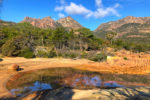
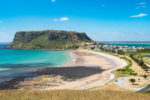
If you haven’t visited Freycinet National Park and don’t have 2 or 3 days to explore it properly, you must visit it on a day trip from Hobart. Famous primarily for one of Tasmania’s most celebrated views— the curvaceous white beach and crystal-clear waters of Wineglass Bay, Freycinet is much more than the famous view.
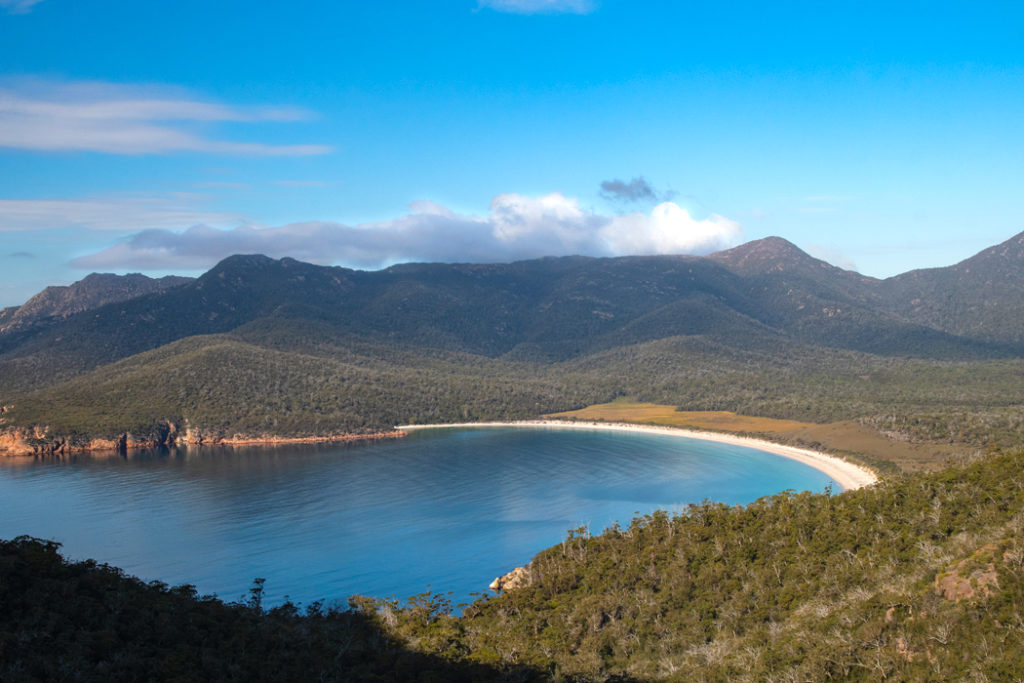
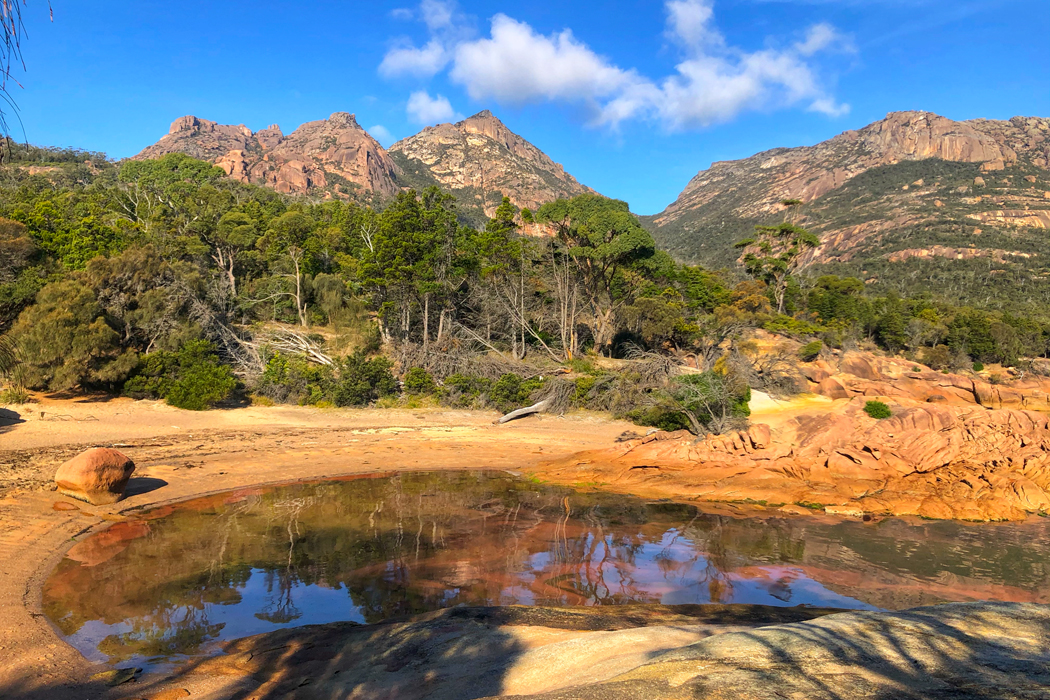
The day trip from Hobart includes a 1.5-hour hike to see Wineglass Bay from above, a Cape Tourville walk, a stroll on Friendly Beaches, a visit to the absolutely gorgeous Honeymoon Bay, lunch in the picturesque Coles Bay, and even a stop in the charming historic town of Richmond to check out the famous Richmond Bridge.
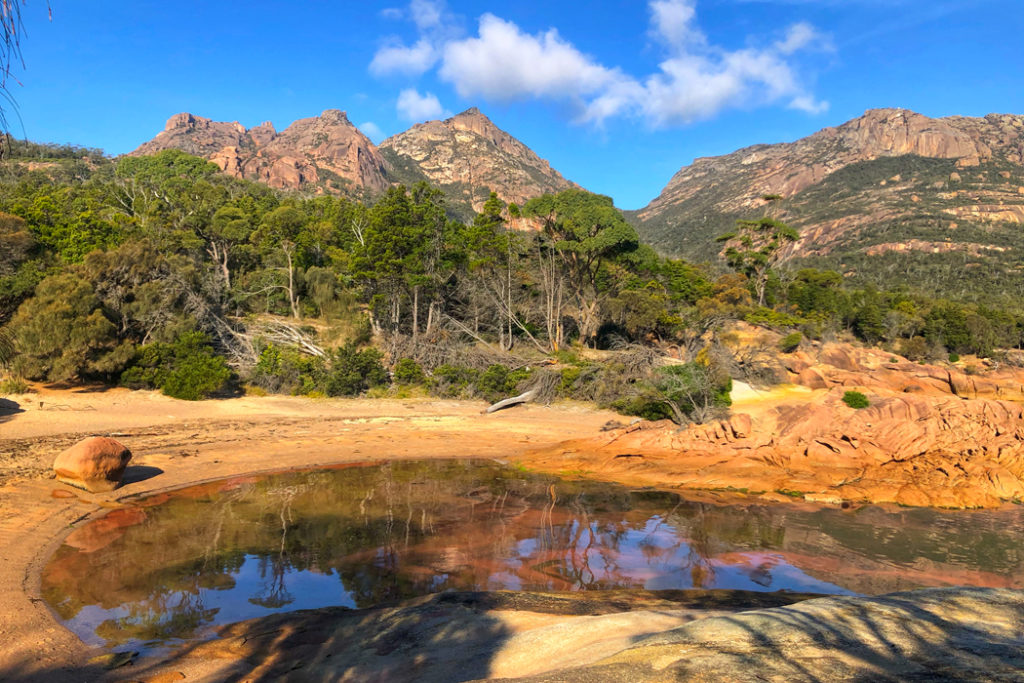
The coastline in Freycinet is incredibly picturesque, you get a full day of exploring it. I took this trip in winter when the days are shorter, and we drove out of Hobart into a fiery sunrise and watched an equally fiery sunset on the way back. And it was light jumper weather for the hike to Wineglass Bay lookout.
The drive from Hobart to Coles Bay is just under 200km, about 2.5 hours. If a 400km round trip sounds a bit much, I highly recommend a day tour. Check the availability of the Wineglass Bay tours from Hobart on your dates.
Bruny Island
As an island off an island state off an island continent, Bruny Island is as ‘down under’ as it gets. It’s a gem for nature lovers like myself and foodies alike. The island is mostly famous for its fresh produce – cheese, honey, and arguably the world’s freshest oysters. You can even taste salt water with Bruny oysters.
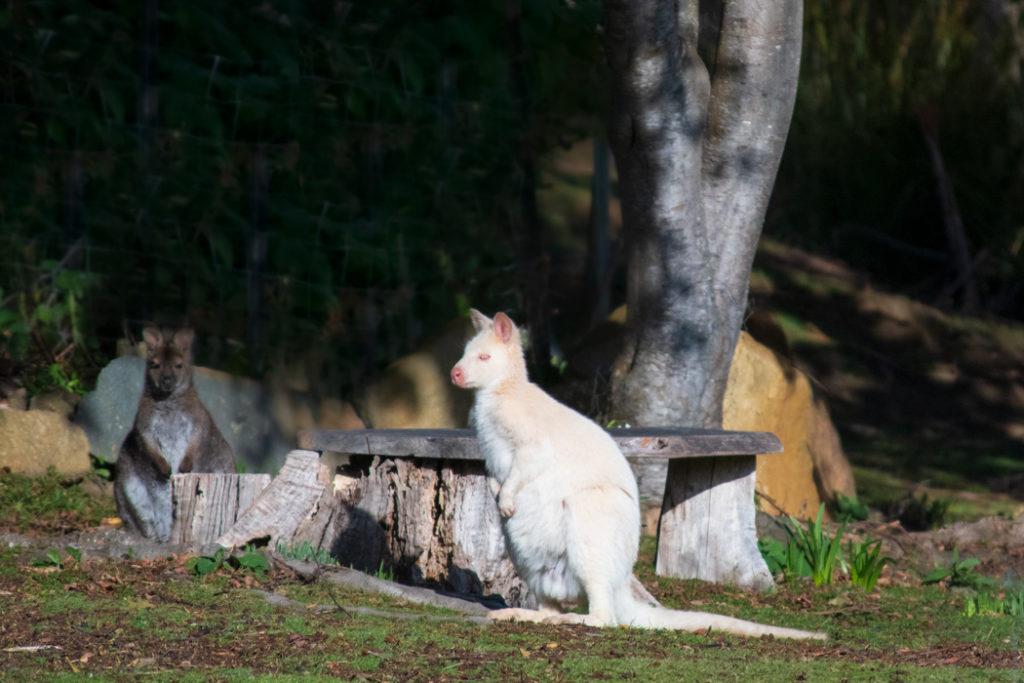
I went to Bruny in hopes of spotting one of the unique white wallabies, and I wasn’t disappointed. We found one browsing in a paddock in the company of its brown cousins in Adventure Bay.
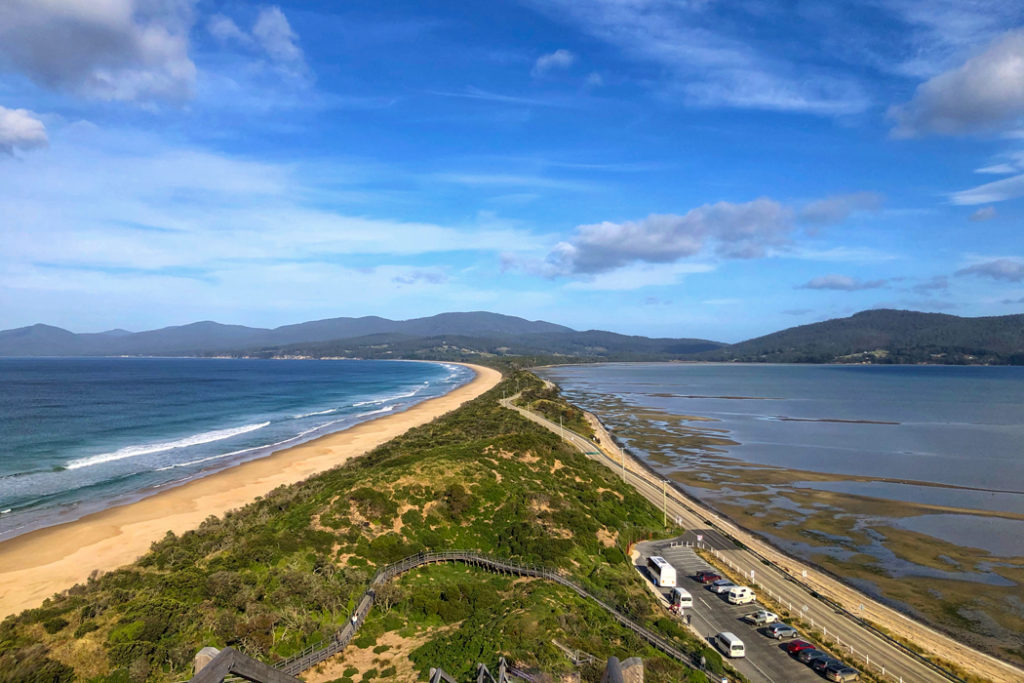
Bruny’s other claim to fame is the Neck – the narrow strip of land that connects the north and the south Bruny islands. The view of the Neck from Truganini Lookout will be one of your most memorable Tassie experiences.
On top of food and wildlife, Bruny has a stunning coastline, and a trip to Cape Bruny lighthouse in South Bruny National Park is the perfect opportunity to enjoy it.
To visit Bruny Island independently, drive to Kettering (33 km away) where you will board a car ferry for the ride to the island. The jetty is located on North Bruny and it is about a 60 km drive to Cape Bruny at the southern tip of South Bruny. You’ll need to keep an eye on the clock to avoid missing the last ferry back.
Alternatively, consider taking an organized day tour. There is a lot to see and do on Bruny Island, and the tour does the organising for you and keeps you on schedule. Check the availability of the Bruny Island tours from Hobart for your dates.
Maria Island
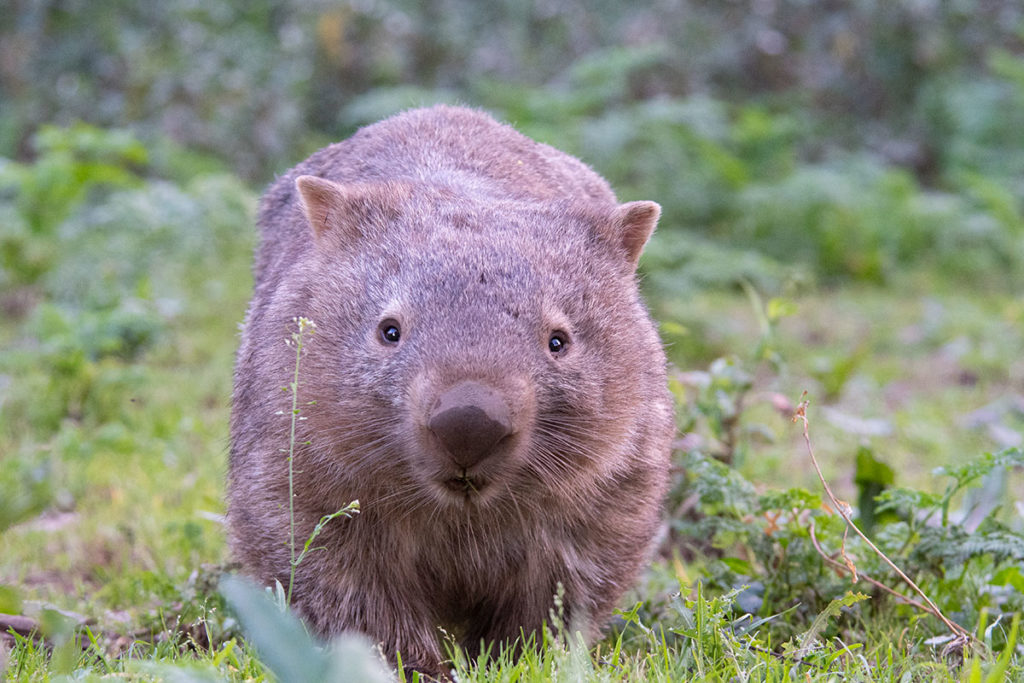
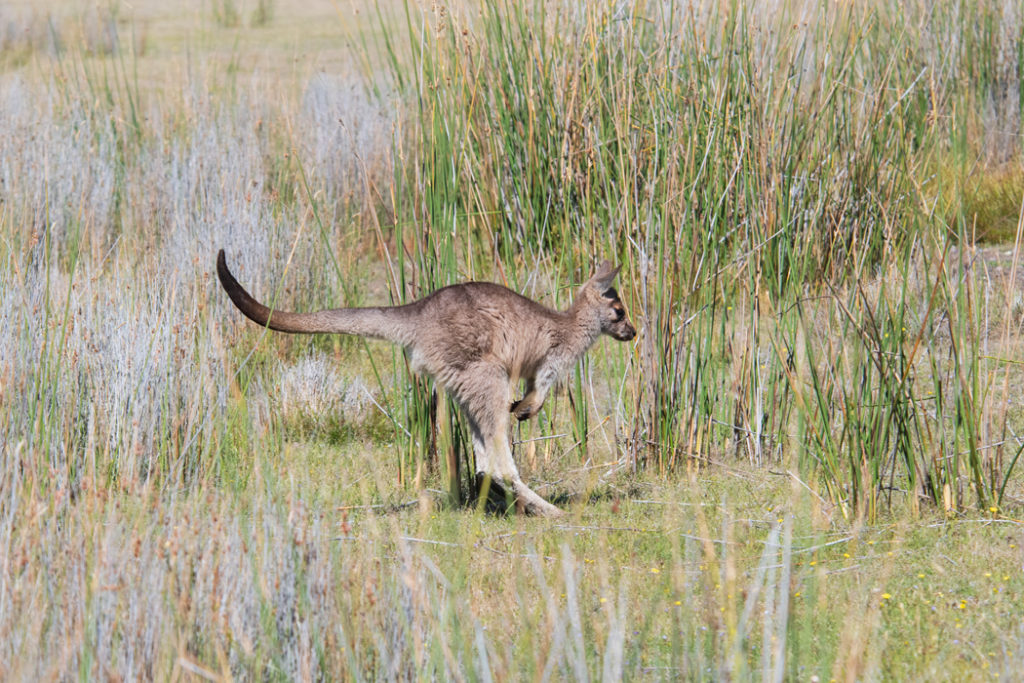
This one is for nature adventurers. Maria Island (pronounced ma-rye-ah) is wombat heaven and one of the few places in Tasmania where you can spot Forrester kangaroo.
The amount of time you have on Maria island on your day trip from Hobart will be determined by the ferry schedule from Triabunna. The first ferry arrives on the island at 10am (check schedule here) and the last one leaves for Triabunna at 4.15pm.
You can pack quite a lot into your day. First thing, check out the low tide time on the info board on the ferry over. The island’s most popular scenic spot the strikingly colorful coastal formations of Painted Rocks can only be viewed at low tide. The rest of the day it is underwater. It is a 30 min walk to the rocks from the wharf / Darlington area. So work out when you need to head there for low tide and organize your day around that.
Near the ferry wharf, the convict settlement of Darlington is an interesting place to check out. You can even spend a night in the former jail if you have more time.
Another set of cliffs to check out is the Fossil Cliffs. There are some enormous and extraordinary fossils to be found embedded in the cliffs here.
If you came to Maria Islands for the wombats, leave the last hour or two to hang out with them. The light is best late in the afternoon, and the wombats are more active. It is also a good time to see and photograph the kangaroos.
To visit Maria Island independently, you’ll need to get to Triabunna (85 km from Hobart) in time for 8.30am ferry. Alternatively, you can book the Maria Island Active Day Tour from Hobart.
Hastings Caves & Tahune AirWalk
If you feel like going off the beaten path and getting away from it all, a day trip to remote Far South Tasmania to explore Hastings Caves and the ancient Southern Forest is the perfect escape. It is one of the more unique day trips from Hobart.
On top of Tolkienesque misty mossy forests, this day trip takes in the charming Huong Valley with a coffee stop in town and another in Franklin to check out the gorgeous wooden boats.
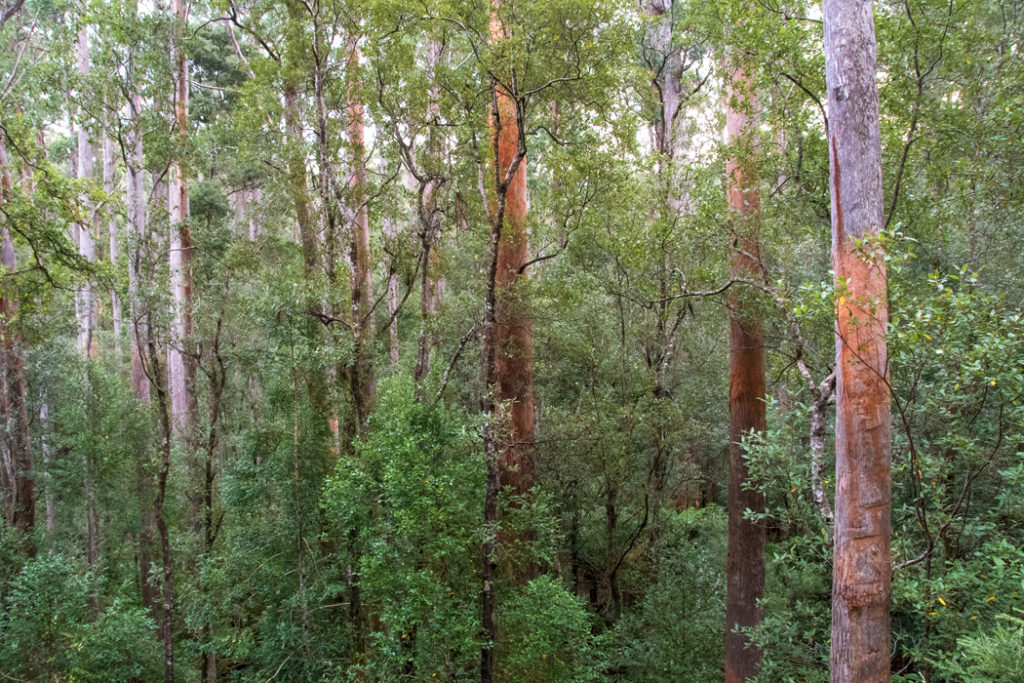
The southern forest is home to some of Tasmania’s oldest trees. It’s a magical place at the end of the world with impossibly tall trees, a lush understory of ferns, and tendrils of moss hanging down the tree branches. The walk among the tree crown on Tahune AirWalk, 30 meters above the forest floor, is downright enchanting, as is the 3 km loop trail along the banks of the Picton and Huon Rivers with swinging bridges spanning across both rivers.
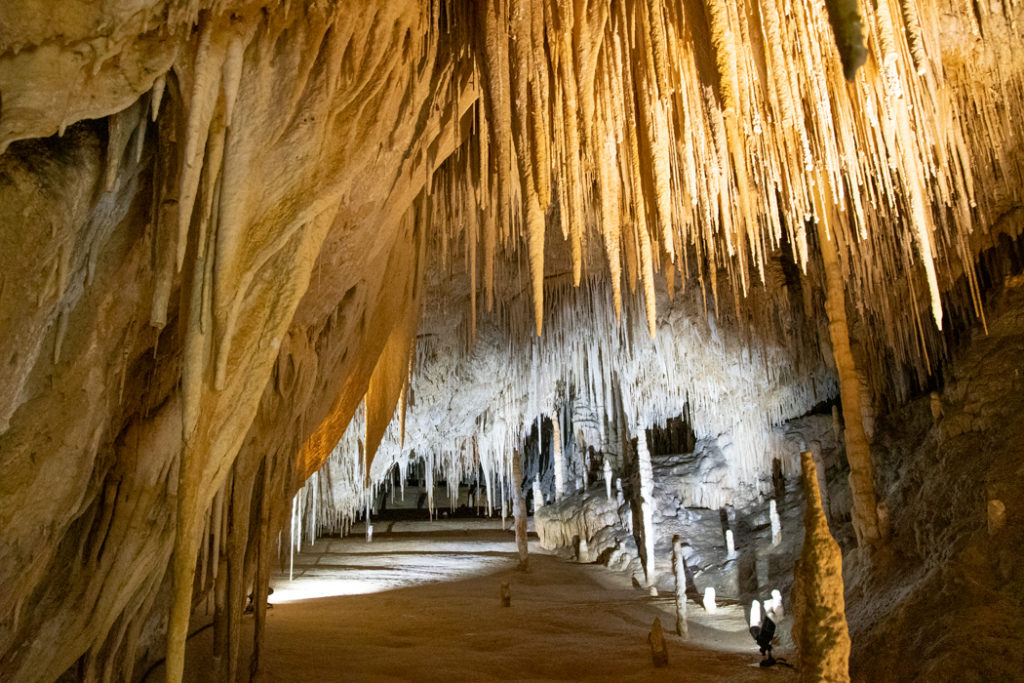
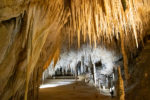
If you enjoy exploring caves, Newdegate Cave extending 3 kilometres into the hillside, is a must-see. It is perhaps not as ornamental as Gunns Plains cave in north west Tasmania, but it is vast. It is the largest dolomite cave in the country and one of the largest caves of this type in the Southern Hemisphere. Check the availability of the Hastings Cave tour for your dates.
Tasman Peninsula
The cruise along the coastline of the rugged Tasman Peninsula is probably my favourite of all day trips from Hobart. Offered by Pennicott Wilderness Journeys, this tour keeps winning all the awards imaginable, and they are all well deserved.
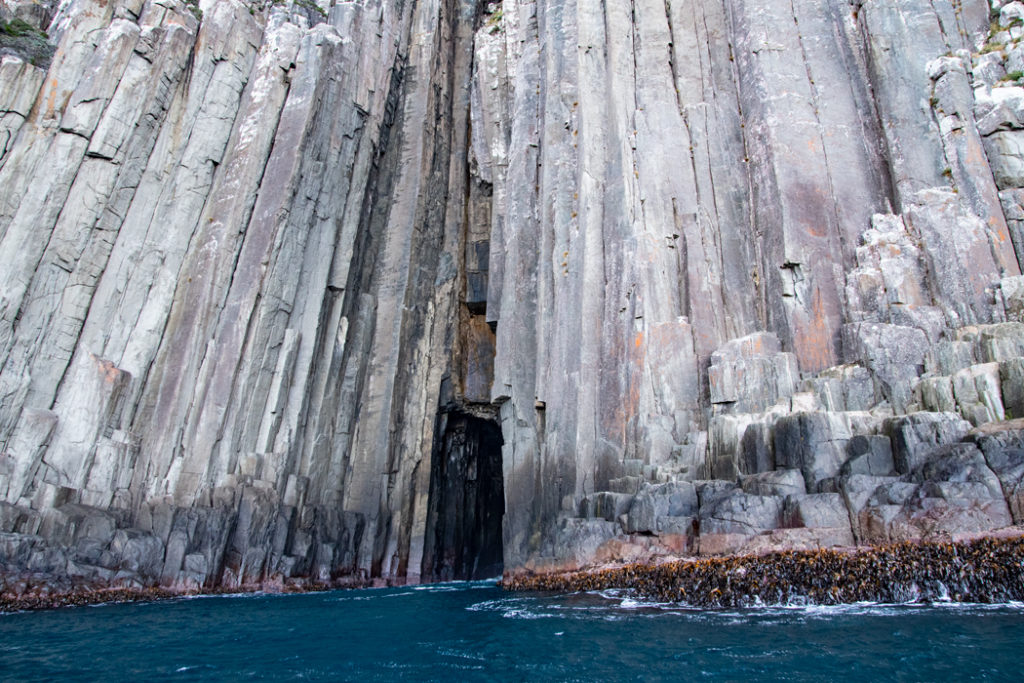
Home to the famous Three Capes walk, the Tasman Peninsula coastline is all about the impossibly tall hexagonal dolerite columns and mysterious sea caves. The turbulent waters of the Southern Ocean are battered by the roaring 40s – the strong westerly winds that ravage the latitudes 40 degrees south of the Earth’s equatorial plane, which makes for an exhilarating boat ride.
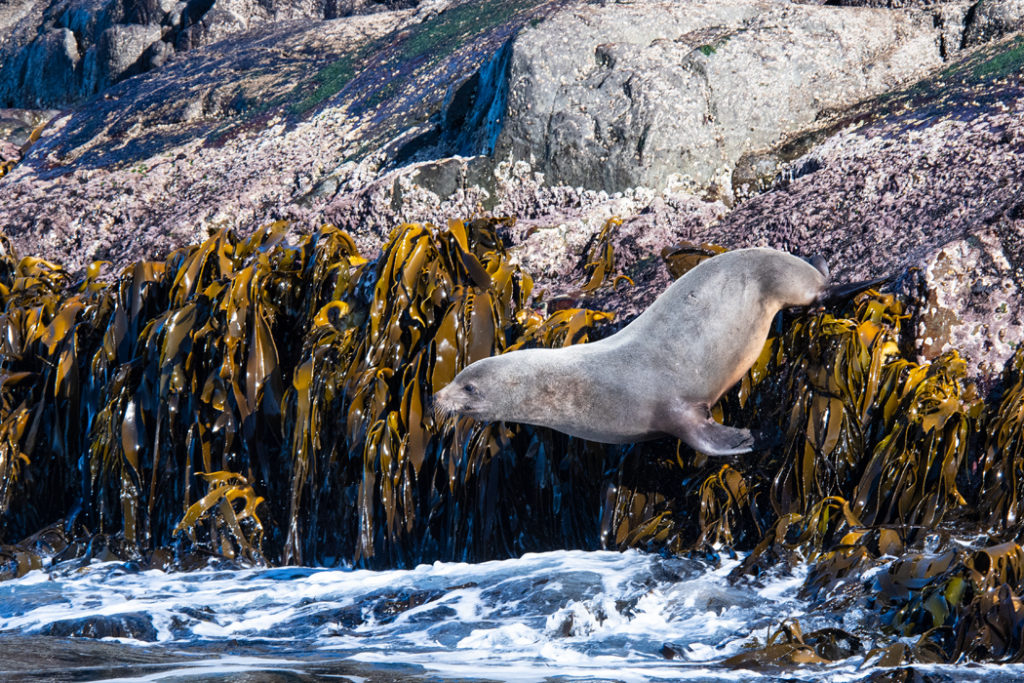
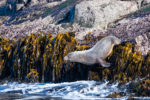
This inhospitable wind-blasted world is home to colonies of seal and water birds, and if you are lucky, a curious whale might accompany you for some of the cruises. If you are looking for a sense of real adventure, this is the trip! Plus, you get to visit Tasmania’s most famous convict site at Port Arthur. Check the availability of Tasman Peninsula tour for your dates.
And if you have good sea legs, consider a kayaking adventure on the Tasman Peninsula. If this doesn’t make your heart race, nothing will.
Cradle Mountain
Yes! It is possible to visit Cradle Mountain on a guided day trip from Hobart. It is a long day, departing Hobart at 6am, but that means you get a sunrise and a sunset thrown in for free.
The first stop is breakfast in Deloraine, followed by 5 hours of hikes and viewpoints at Cradle Mountain, including the park’s most famous walk around Dove Lake and an optional visit the Interpretation Centre set in a patch of magical mossy rainforest.
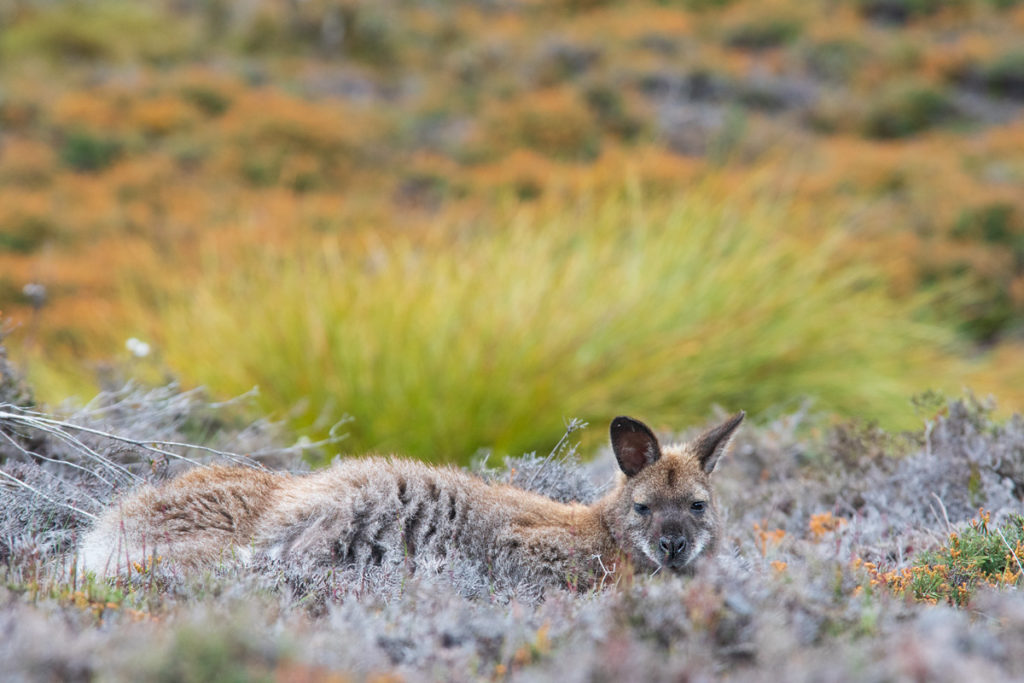
Or if you are feeling weary after the day’s adventure, you can opt to chill out by the fire at Cradle Mountain Lodge. In the afternoon the grassy lawns around the lodge are teaming with wombats, Pademelons and Bennett’s wallabies.
Dinner is in Sheffield, about halfway back to Hobart. Keep an eye out for Sheffield’s iconic street art when you are in town. Check the availability of the Cradle Mountain tour for your dates.
Port Arthur Historic Site
If battling swells and high winds is not your type of adventure, you can visit Port Arthur on its own on a relaxed day trip from Hobart. Although ‘relaxed’ is not quite the right word for immersing yourself in the horrors of convict life over two centuries ago.
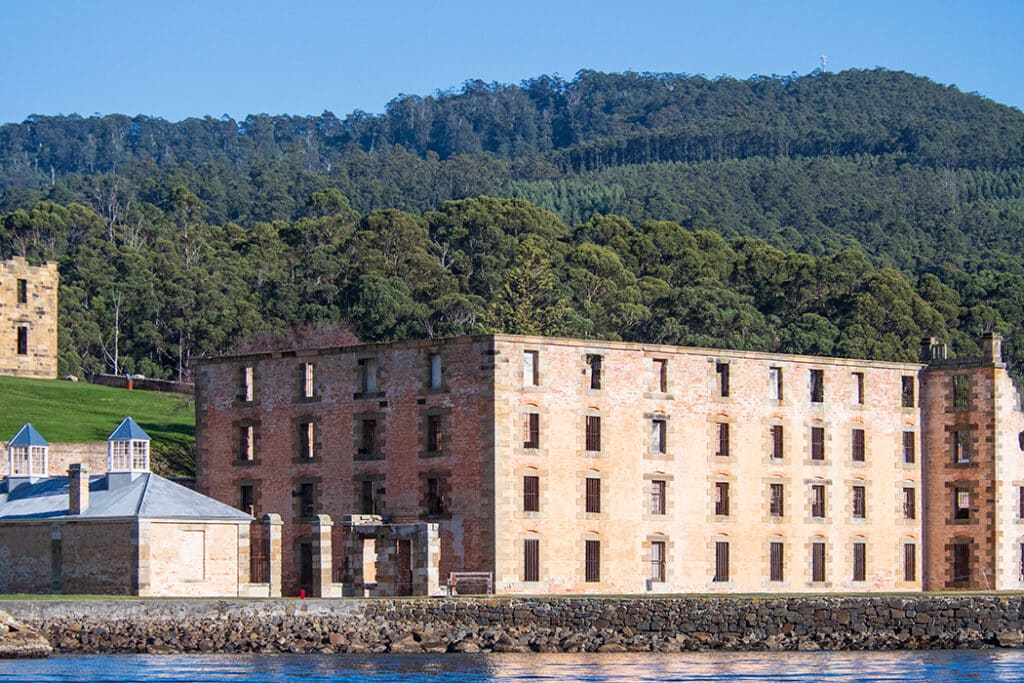
The UNESCO World Heritage site of Port Arthur is huge. A peaceful and carefree site today, during its operation, the prison was an isolated, self-sustaining complex where convicts were put to excruciating manual labour and psychological torture. Not surprisingly, some tried to escape. Unsuccessfully.
You can spend hours exploring dozens of restored buildings, including the penitentiary, a jail, a commandant’s house, a church, and an asylum. To match the mood of the convict site, the nature of the Tasman Peninsula is striking and dramatic, as you can see at Tasman Arch and Devil’s Kitchen.
Check the availability of the Port Arthur tour for your dates.
Mount Field National Park
My Field is Tasmania’s first National Park and one of its lushest. With its giant trees, prehistoric-looking ferns and fairytale waterfalls, it feels like it remained unchanged from the Jurassic period.
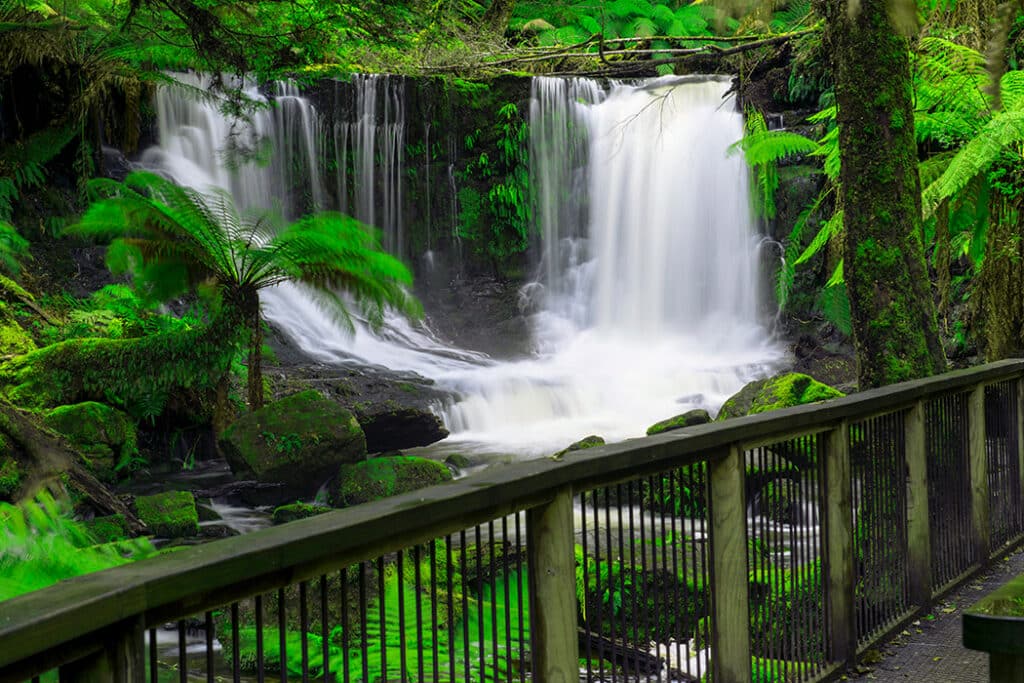
The walk along the 1-km loop – Tall Trees Walk takes you past some of the tallest trees in the world. If you haven’t visited the Southern Forest, this is your chance to experience the magic of Tasmania’s famous old-growth forest.
Another easy 15-20-minute hike from the Mount Field National Park Visitors’ Centre takes you to the beautiful three-tiered Russel Falls – one of Tasmania’s prettiest waterfalls. As you walk through the park, look for Tasmanian pademelons, the island’s bouncy small wallaby.
Mt Field National Park is an easy 75km drive from Hobart. Alternatively, there are Mount Field tours from Hobart that visit Russell Falls, and the Tall Trees walk.
Mount Wellington
Towering over Hobart, Mount Wellington is one of the most iconic views in town. It stands to reason that the view from the summit of the mountain should be spectacular. And it is. But there is more to Mount Wellington than the view from the summit. There is an entire tourist drive with a number of stops at trailheads.
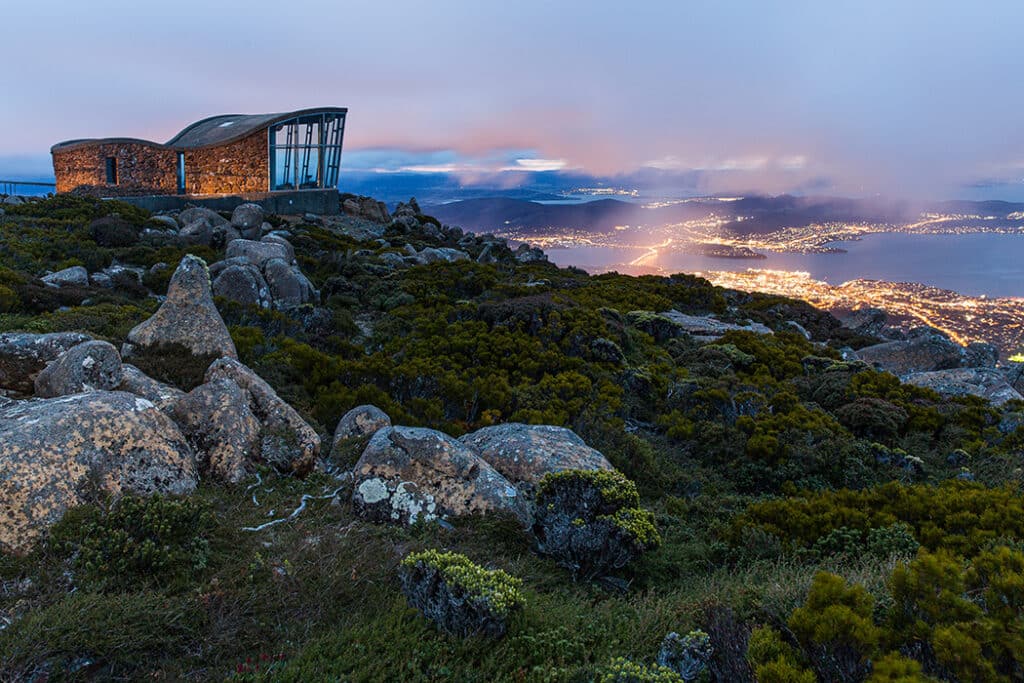
If you have a car, great. This is an easy half a day trip from Hobart. Although keep in mind that in winter the windy road to the summit might be covered in snow and ice. An alternative is the Hop-on-Hop-Off shuttle that goes all the way yo the summit and stops at the key stops.
If you are a hiker, take the trails between the summit and the Springs via Organ Pipes formation – the coolest geological feature on the mountain. If you are not a hike, and not sure which trails to take, there is a 2.5 hr tour that takes to the highlights of Mt Wellington.
Richmond
Richmond is a charming little town brimming with history. It is home to Australia’s oldest bridge that’s still in use and Australia’s oldest intact jail, both built in 1925, as well as Australia’s oldest remaining Catholic church, St. John’s, built in 1836. Dozens of historical buildings from that era are dotted around town. It’s an atmospheric place to explore.
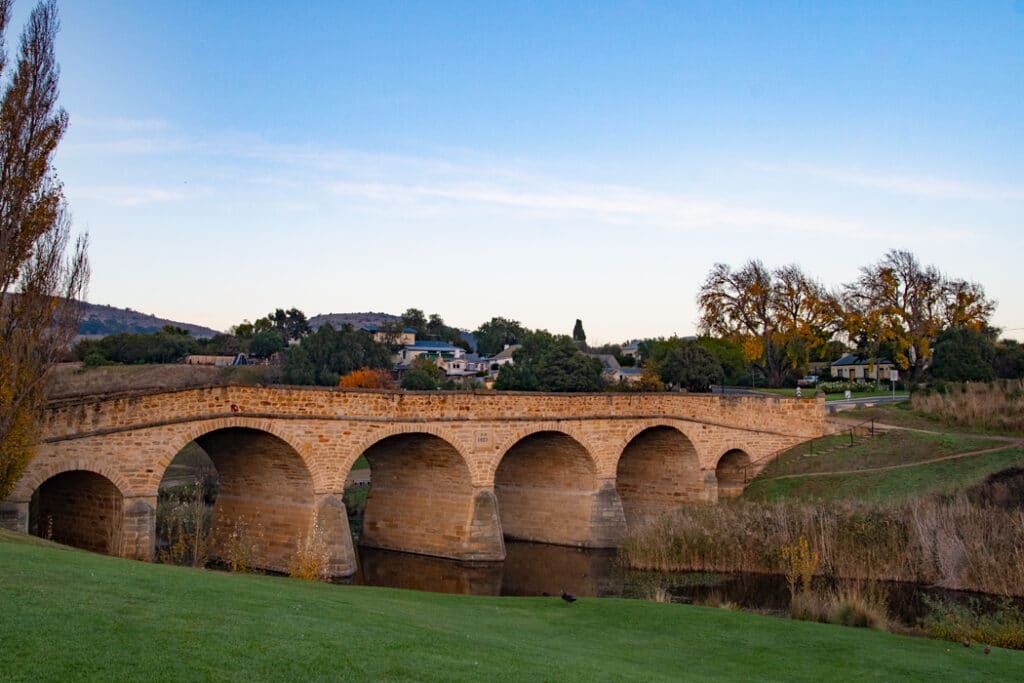
Plus, it’s also the centre of Tassie’s up-and-coming wine-growing region, so it’s got a vibrant food and wine scene.
You can visit Richmond on a guided half-day tour, or take a road trip from Hobart and explore the town at your own pace, lingering in your favourite spots. Given Richmond’s proximity to the big smoke, it is one of the best self drive day trips from Hobart.
And there you have it – the best 10-day trips from Hobart to choose from. Whether you are a foody, a hiker, or a history buff, there is something for everyone in this part of Tasmania.
More Nature Adventures in Tasmania
- Sea caves and wildlife of the inhospitable Tasman Peninsula

- Hastings Caves and Southern Forest – a journey to Far South Tasmania
- 4 Great Short Walks in Freycinet National Park
- 15 Things to Do in Stanley – Tasmania’s Prettiest Small Town
- The Absolute Best Place to See Platypus in Tasmania
- Leven Canyon – Tasmania’s Hidden Gem
- Gorgeous Beaches in Tasmania: North-West Coast
- Visiting Gunns Plains Caves in North West Tasmania

- Travel Guide to Edge of the World, Tasmania
- Mountain Valley Wilderness Holidays Review