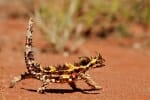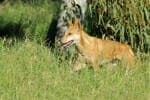
As the capital of the Northern Territory, Darwin is your gateway to exploring Australia’s Top End. There are a few things to do in Darwin, and the city is a convenient departure point for day trips or longer adventures in the surrounding national parks. Litchfield National Park is just over 100 km away, and Kakadu is about 250 km away.
We visited Darwin as part of our epic Adelaide to Darwin road trip that focused primarily on finding unique Australian animals in the country’s vast Northern Territory. We’ve done a lot of research prior to the trip, drawing on the local knowledge of our friends and here is our guide to the best things to do in Darwin for nature enthusiasts.
George Brown Darwin Botanic Gardens
The easiest natural gem to visit in Darwin is the George Brown Darwin Botanic Gardens. It is a 5 min drive or a 20 min bus ride from the city centre.
We went to the gardens primarily in hopes of spotting resident Rufous Owls that have been nesting near the Rainforest area for a number of years. Unfortunately, by the time of our visit, the owls haven’t been seen in the gardens for months (though they have since re-appeared).
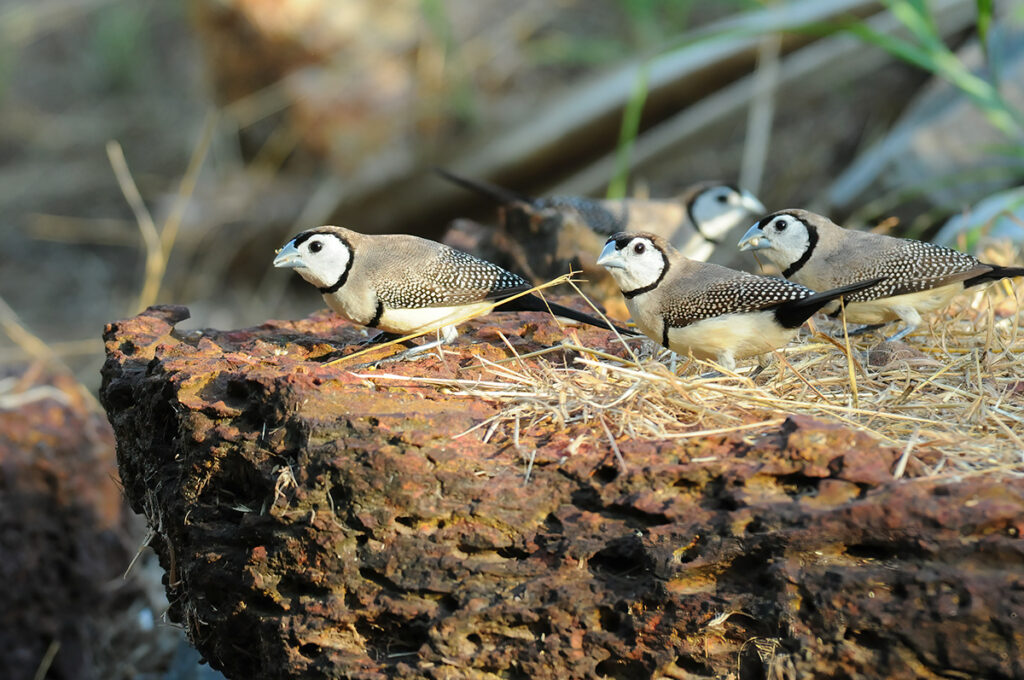
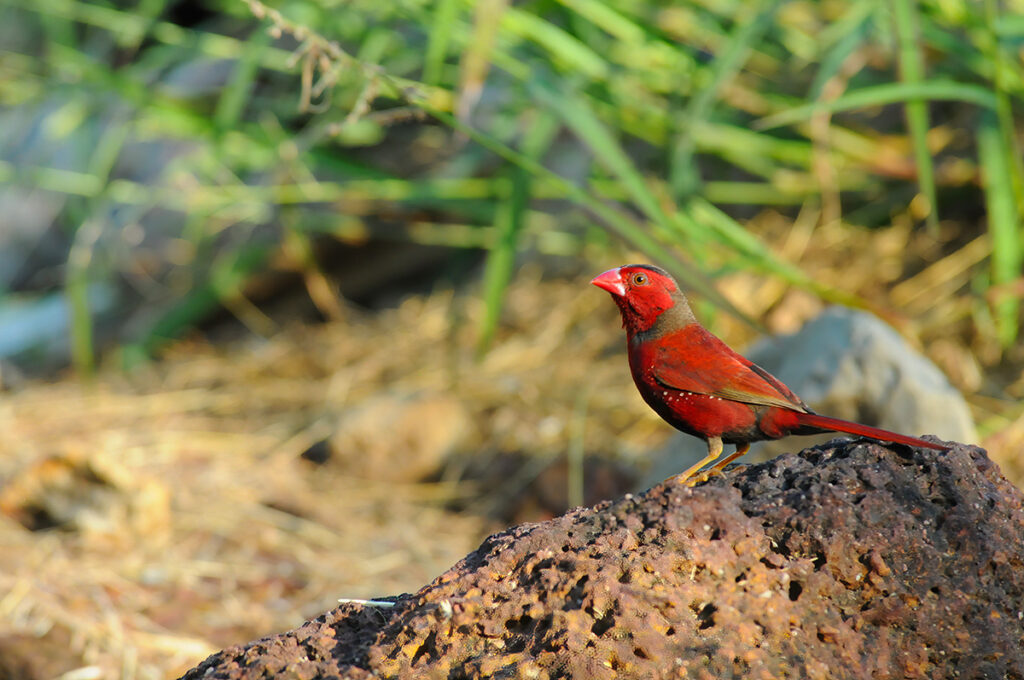
What we did find, however, was a little stream with tall grass growing on its banks. This was a perfect habitat for seed-eating finches. This was a great spot for Crimson and Double-barred finches. The birds were gorging themselves on the grass seeds and washing them down with the water from the stream.
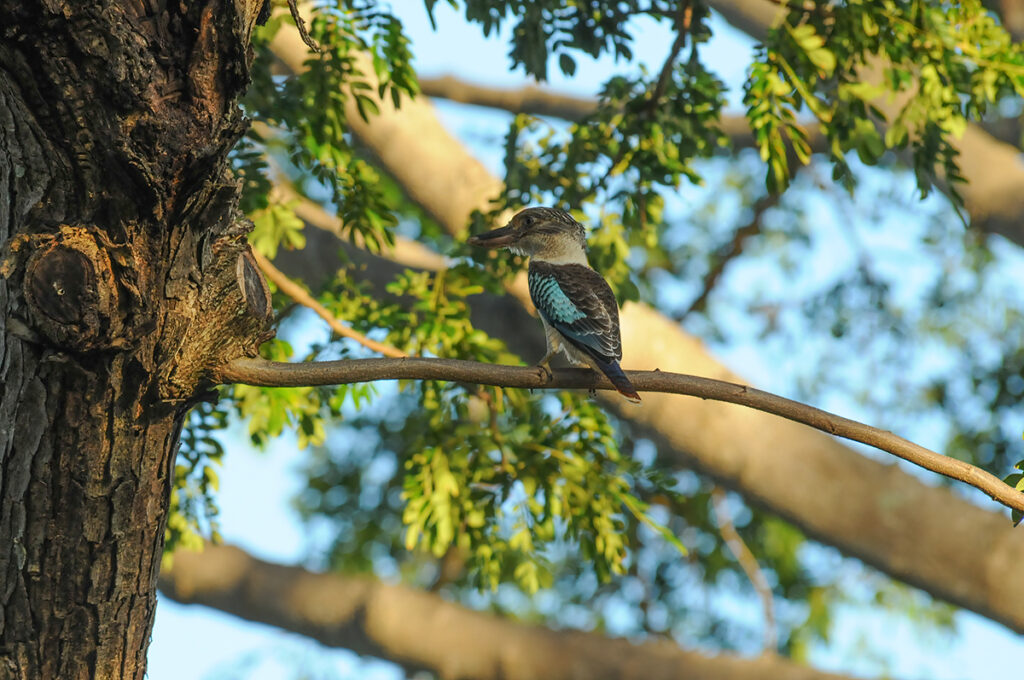
Apart from the finches, I was happy to see a Blue-winged kookaburra – one of my bucket list species for this trip. While the Laughing kookaburras are common around Sydney and the rest of eastern Australia, the Blue-winged kookaburra is restricted to the north of the continent.
The Botanical Gardens, not surprisingly, is a very productive bird-watching spot. We’ve spotted a few species of parrots, including Sulpher-crested cockatoos, Little corellas and Red-collared lorikeets. The park is also home to the Red-tailed black cockatoos, though we haven’t seen any. Mammals are trickier to find. If you are lucky, you can find Agile wallabies, brushtail possums and black flying foxes.
Lee Point Beach
Lying on the outskirts of the city, Lee Point Beach looks and feels like a wild beach. And in a way, it is. Australia’s Top End beaches are off-limits for swimming. If a Saltwater crocodile doesn’t get you, a Box jellyfish probably will. As a result, in contrast to the rest of the Australian coastline, Northern Territory beaches are often virtually empty. And what happens if you take people away from the beach? Wildlife comes back.
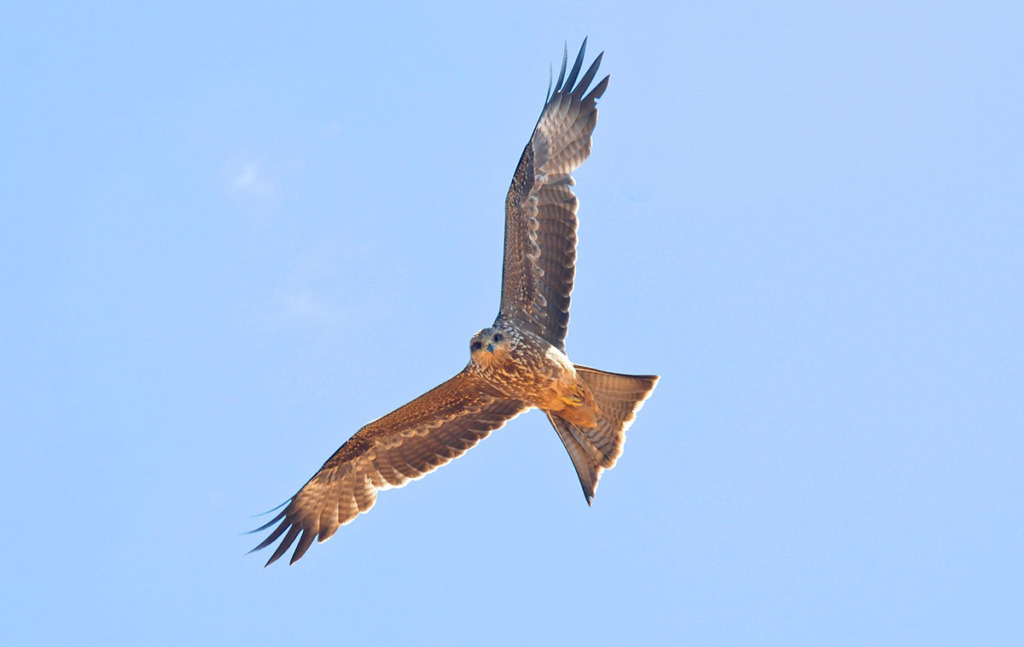
The beaches of Casuarina Coastal Reserve at Darwin’s Lee Point are teaming with wildlife. The first inhabitants that caught our eye were Black kites. There were dozens of them: in the air, on the trees fringing the beach and even on the beach itself – looking for tasty morsels washed up by the tide.
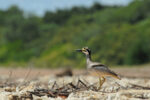
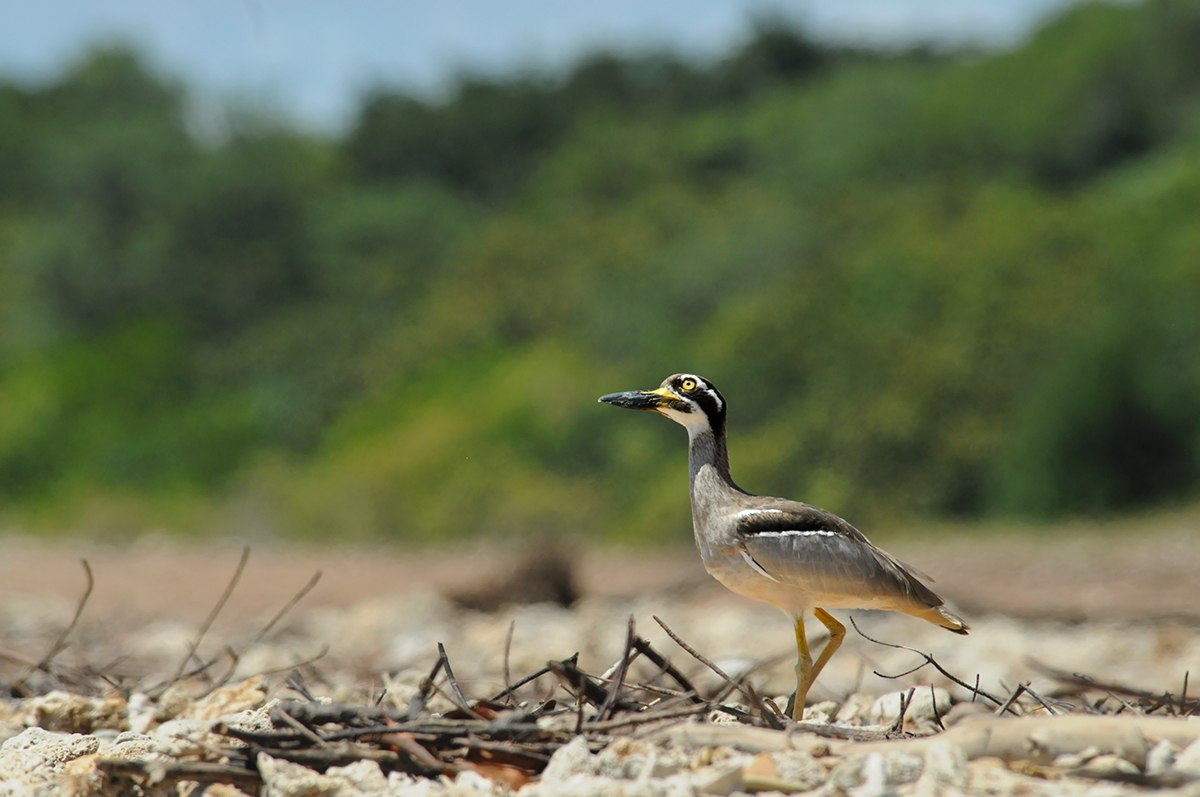
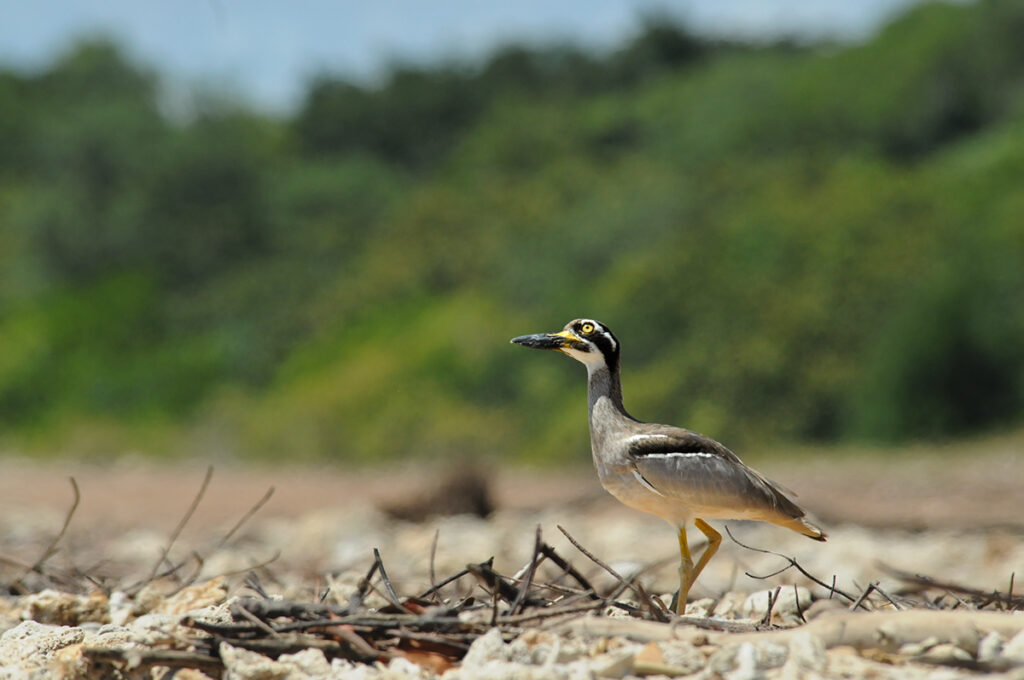
Such a high density of predators made other beach residents a little nervous. The Beach stone curlew kept a wary eye on the kites as it foraged on the beach. It is an uncommon species across most of its range, and it relies on undisturbed open beaches for habitat.
Near the water’s edge, Red-capped plovers kept bursting into short sprints whenever kites flew overhead.
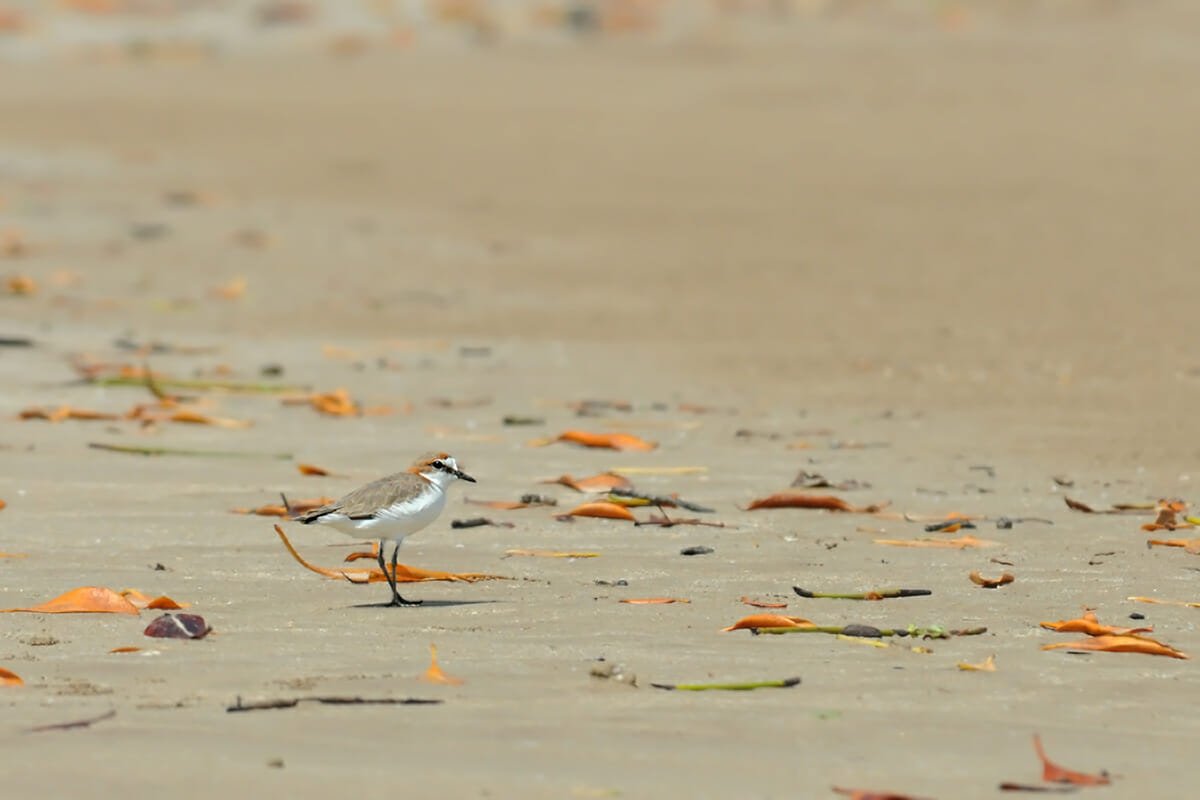
There were also a sizable colony of Great crested terns on the coastal rock shelf with a few Caspian terns, and an occasional Little tern among them, as well as a fair number of Silver gulls.
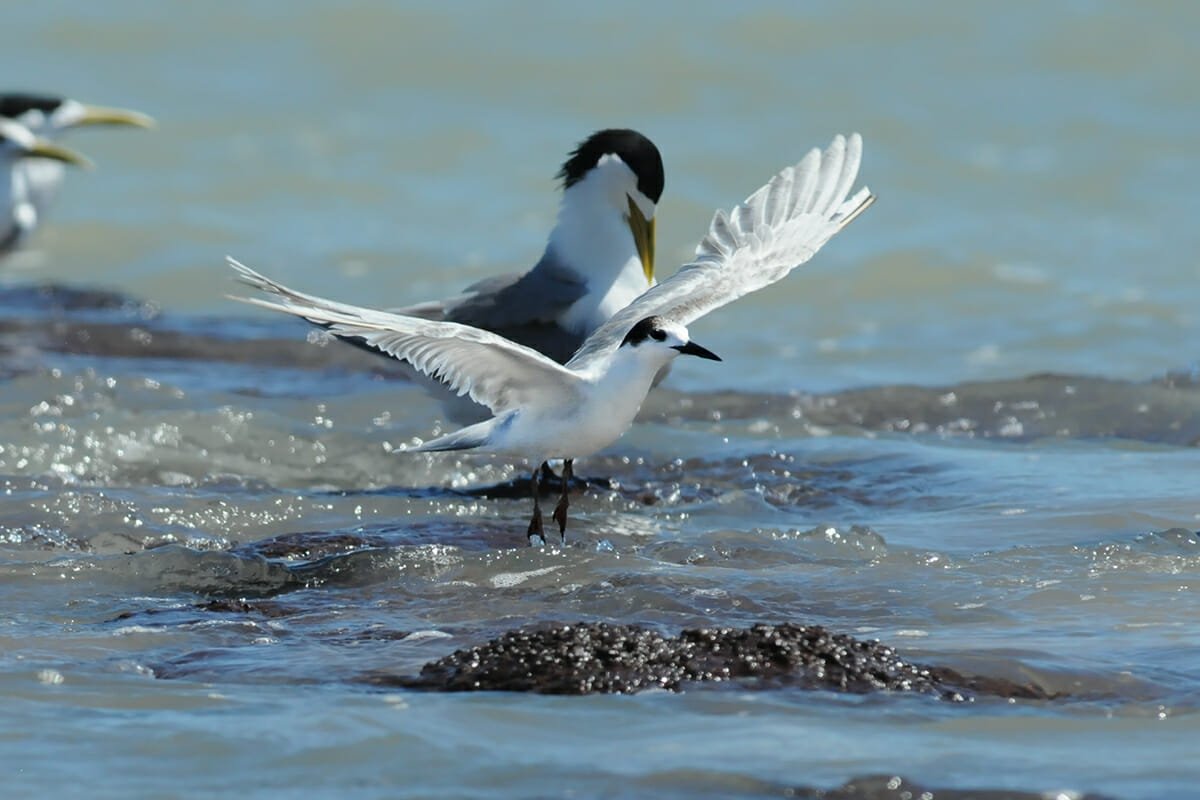
While we watched the terns and gulls catching fish and trying to steal it from one another while flying at breakneck speed, a flock of Great knots swooped in and settled on the rocks exposed by low tide. This species is a winter visitor to Australia that would soon return to its breeding grounds in the Siberian tundra. On closer inspection, a few red blobs in the flock turned out to be Red knots.
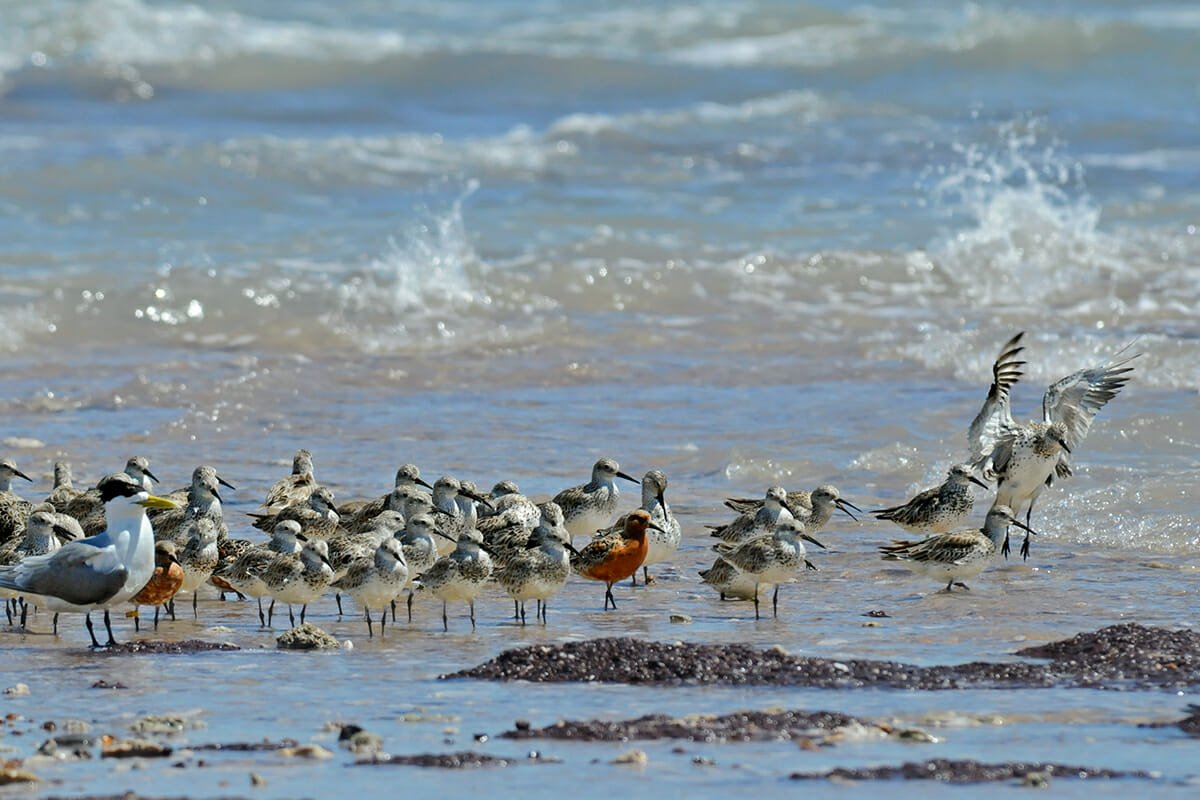
More species came and went throughout the day: Reef egret, Intermediate egret, Whistling kite, and little Solder crabs. It was refreshing to see such species diversity on the beach in contrast to the usual Homo sapience homogeneity. Without the suntanning crowds, the beach at Lee Point became one of the best places for watching wildlife in Darwin.
East Point Reserve
If you do want to swim, head to East Point Reserve, to the brackish stinger-free Lake Alexander. There is a 1.5km mangrove boardwalk starting from the car park that often turns up a few bird species.
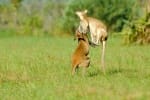
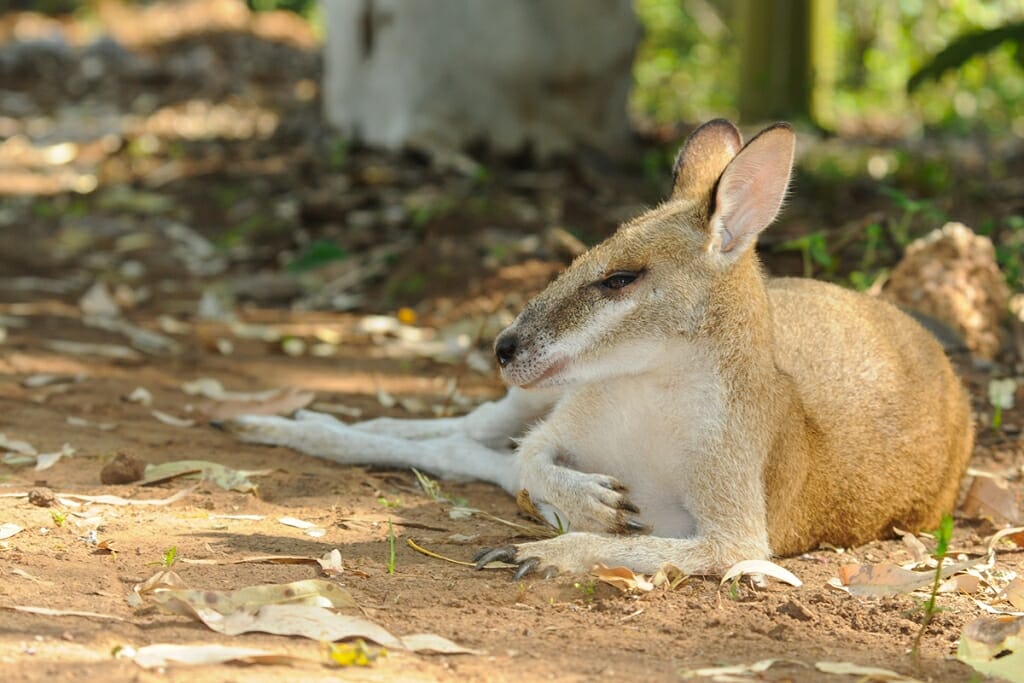
The bigger draw of East Point for nature lovers is the reserve’s population of about 200 agile wallabies. This is the best place to see wallabies in Darwin, especially later in the afternoon.
And if you are visiting in the afternoon, stay for the sunset. There is even a dedicated sunset-watching area with a few benches facing west. To find it, park at the fork in the road between Pee Wees and the Military Museum and follow the signs to the shelter.
Day Trips from Darwin
The rest of the attractions in this guide can be visited on day trips from Darwin. I am not including Kakadu National Park here since it is just a little too far for a day trip. You can do it if you are prepared to spend 8 hrs in the car for a couple of hours in the park. There are also several (expensive) day tours on offer. If you do decide to take one, choose the tour that includes the Yellow Water Billabong cruise, which is the best opportunity to see the park’s wildlife.
Fogg Dam Conservation Reserve
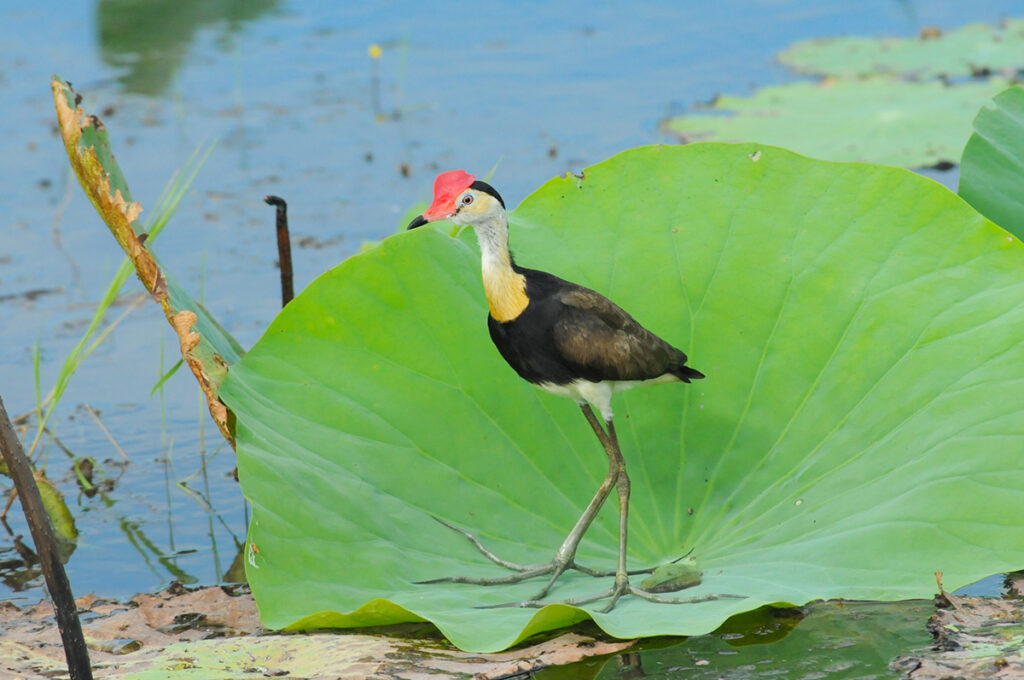
The best place to see an incredible abundance and diversity of birds and experience a tropical wetland near Darwin is the Fogg Dam Conservation Reserve. This peaceful wetland lies 67 km from Darwin, and a drive to the dam was one of our favourite things to do in Darwin.
If you don’t have a car, you can visit Fogg Dam on an afternoon tour from Darwin. This tour doesn’t run every day, so check availability for your dates and plan accordingly.
We loved Fogg Dam so much that we visited it several times on the way to and from Kakadu National Park and a couple more times at night while we stayed in Darwin. The drive to the dam along Arnhem Hwy is a wildlife-watching experience in its own right.
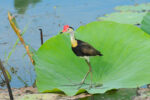
In the daytime, Fogg Dam is all about birds. It is a good place to see comb-crested jacanas, Jabiru storks, magpie geese, and Raja shell ducks, as well as egrets, pied herons, and Royal spoonbills. The walking trails at the dam take you deeper into the different habitat types and provide good opportunities for spotting kingfishers, bee-eaters, fruit doves, thrillers, and flycatchers.
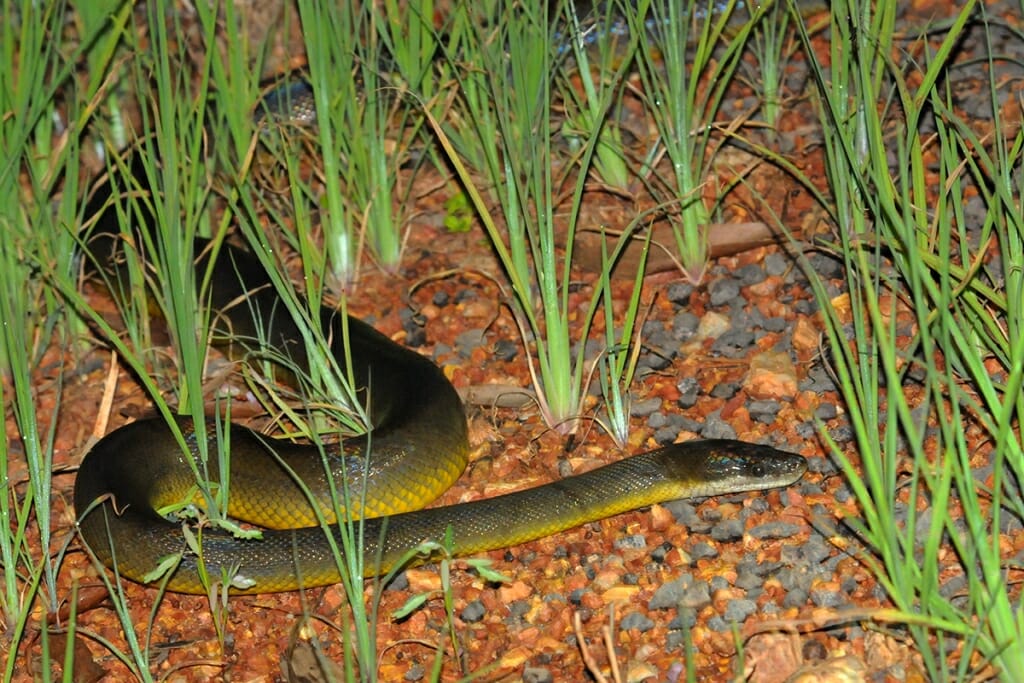
Fogg Dam is also famous for having the world’s highest biomass ratio of predator (olive python) to prey (dusky rats). But to see this spectacle, you need to visit at night. You can find more details in my guide to Fogg Dam Conservation Reserve.
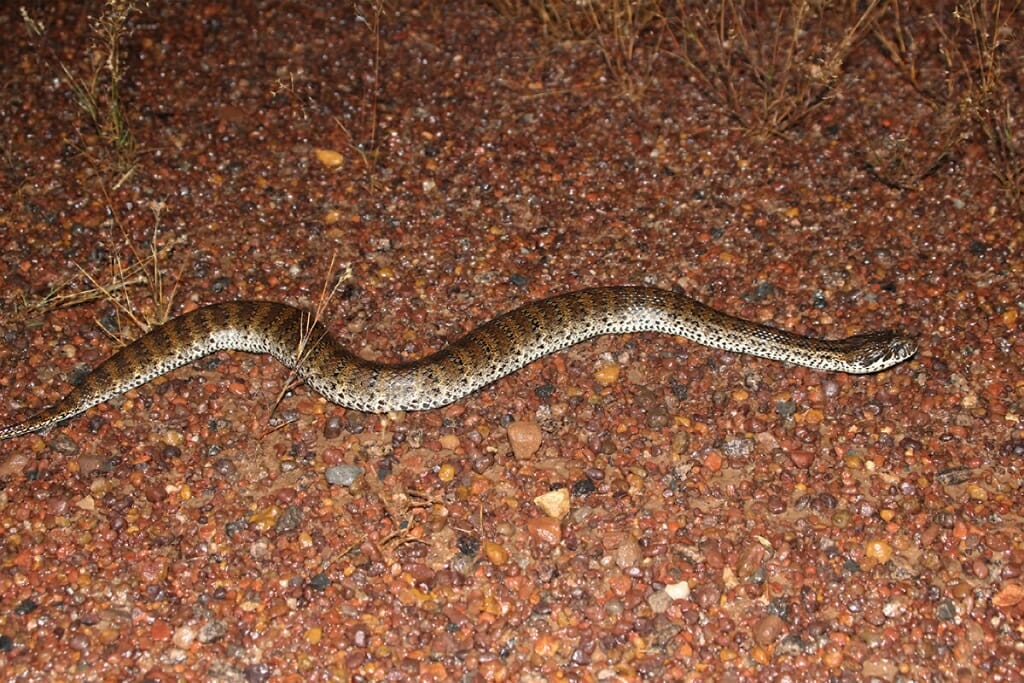
The most interesting creature we encountered driving between Fogg Dam and Darwin was the northern death adder crossing the road. Australia is famous for harbouring the world’s most venomous snakes. Of the 25 most venomous snakes in the world, 21 live in Australia, and the Death adder is among the 10 most venomous Australian snakes.
I did get out of the car to photograph the snake as it weaved its way across the road, but I wouldn’t recommend it to anyone with a healthy sense of self-preservation.
Mary River Wetlands Extension
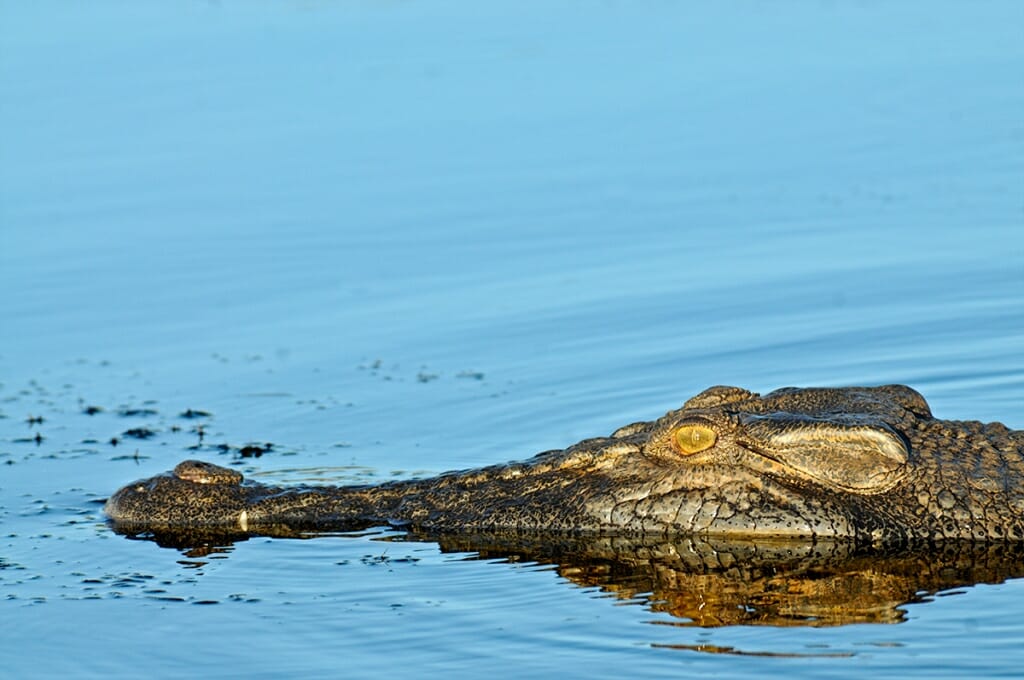
Fogg Dam lies about halfway between Darwin and Mary River. I highly recommend extending your nature adventure to Mary River. In terms of the wetland landscape and abundance of wildlife, Mary River is very similar to Yellow Water Billabong in Kakadu National Park.
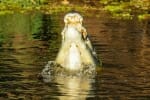
A cruise on Mary River wetlands is a great opportunity to see both saltwater and freshwater crocodiles.
It’s just over 100 km from Fogg Dam to Mary River. And if you don’t have a car, you can book a tour from Darwin that combines Fogg Dam and Mary River.
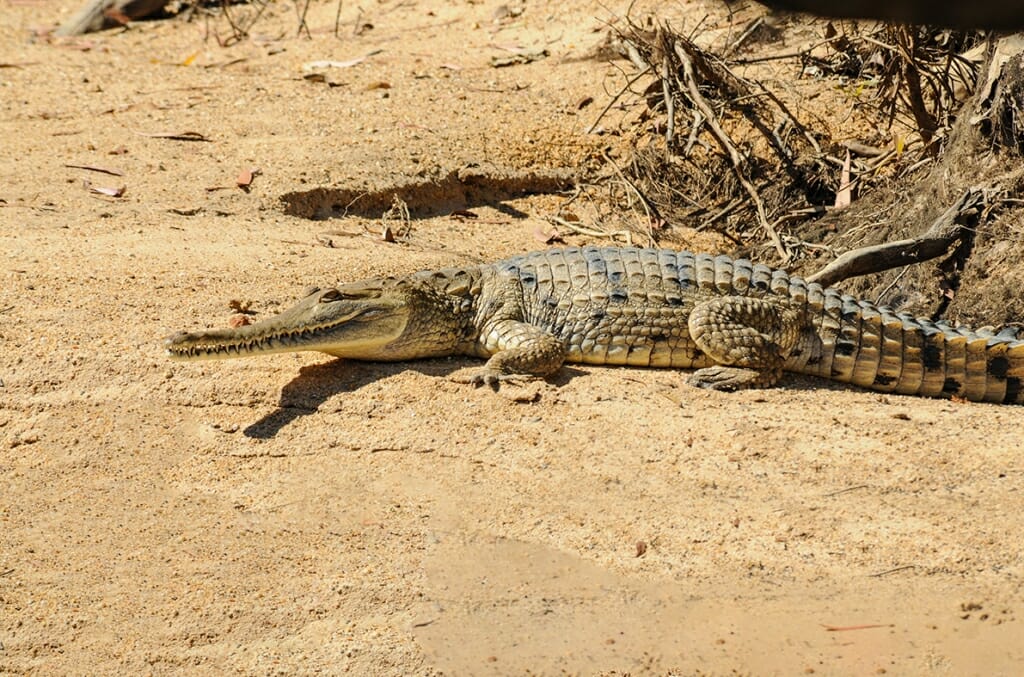
As far as day trips go, I would recommend Mary River Wetlands over Kakadu National Park. Don’t get me wrong, Kakadu is spectacular, but if you visit it on a day trip from Darwin, you’ll spend most of the time in the car, and the magic of it will be lost. Mary River wetlands are 100 km closer to Darwin and make for a much more relaxed and enjoyable experience. Conversely, if you have a couple of days to spare, forget Mary River and head straight to Kakadu.
Territory Park
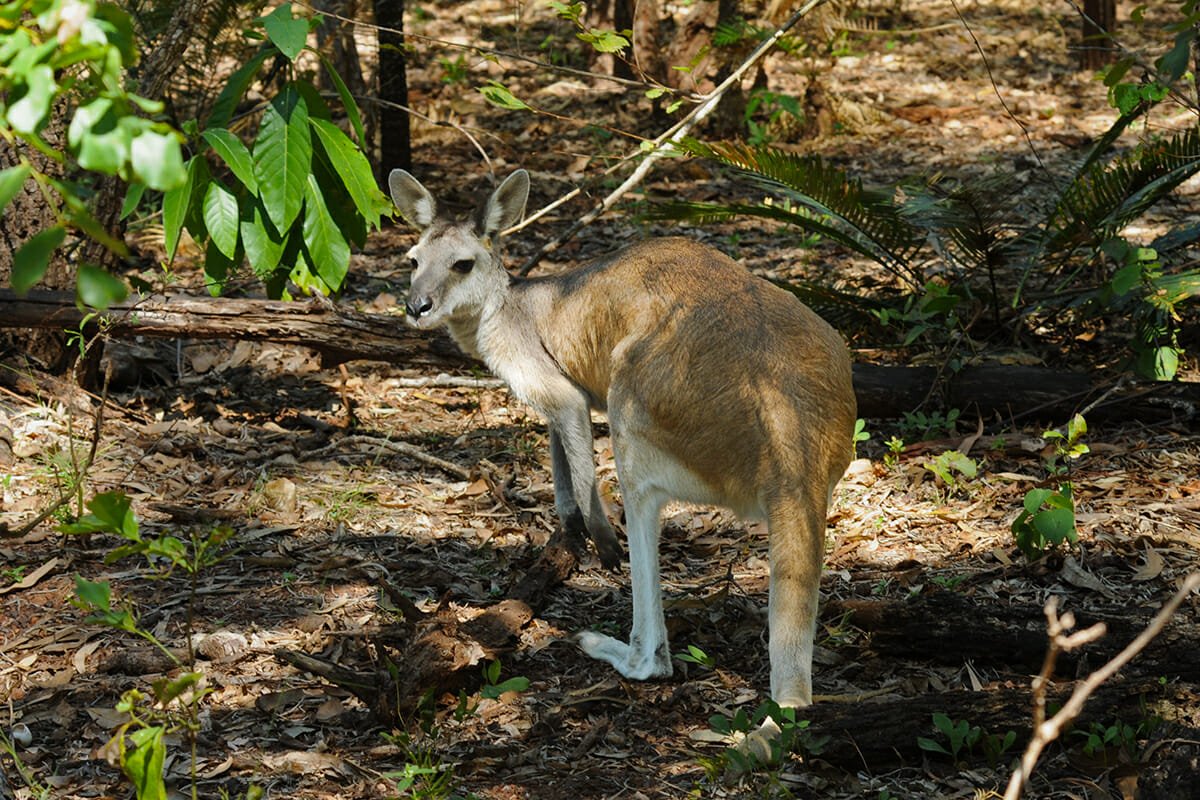
Another good place to see the iconic wildlife of Australia’s Top End near Darwin is the Territory Wildlife Park, 50 km south of Darwin. If you don’t have a car, you can visit the park on an organized tour from Darwin.
I’m generally not a fan of seeing animals in captivity, but I desperately wanted to see an Antilopine wallaroo – one of the common Northern Territory animals that evaded us everywhere else.
Despite my reservations, we quite liked the Territory Wildlife Park. It has a long history of participating in conservation and research programs, like the captive breeding programs for the endangered Northern quolls and Black-footed tree-rats. It was also obvious that the animal keepers at the park had genuine care for their charges.
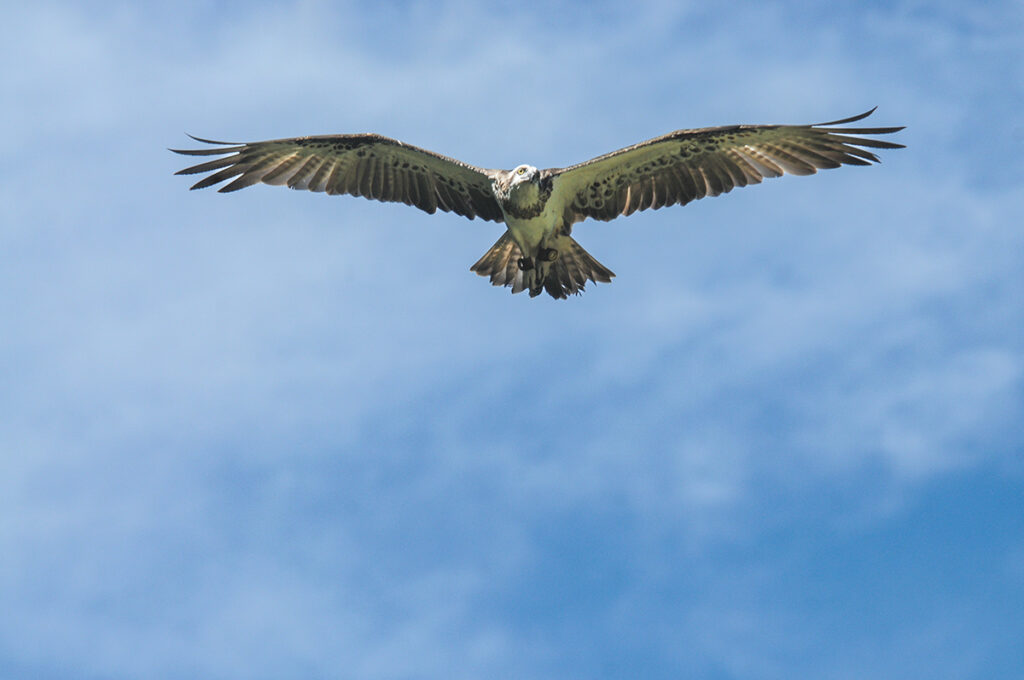
The Antilopine wallaroos seemed blissfully content, snoozing in the shade in their large fenced-off enclosure. The bird show was well worth watching too, to see a Black-breasted buzzard using a rock to crack a massive egg and an Osprey dive into a pool for a fish. The skill and intelligence these birds demonstrate are extraordinary.
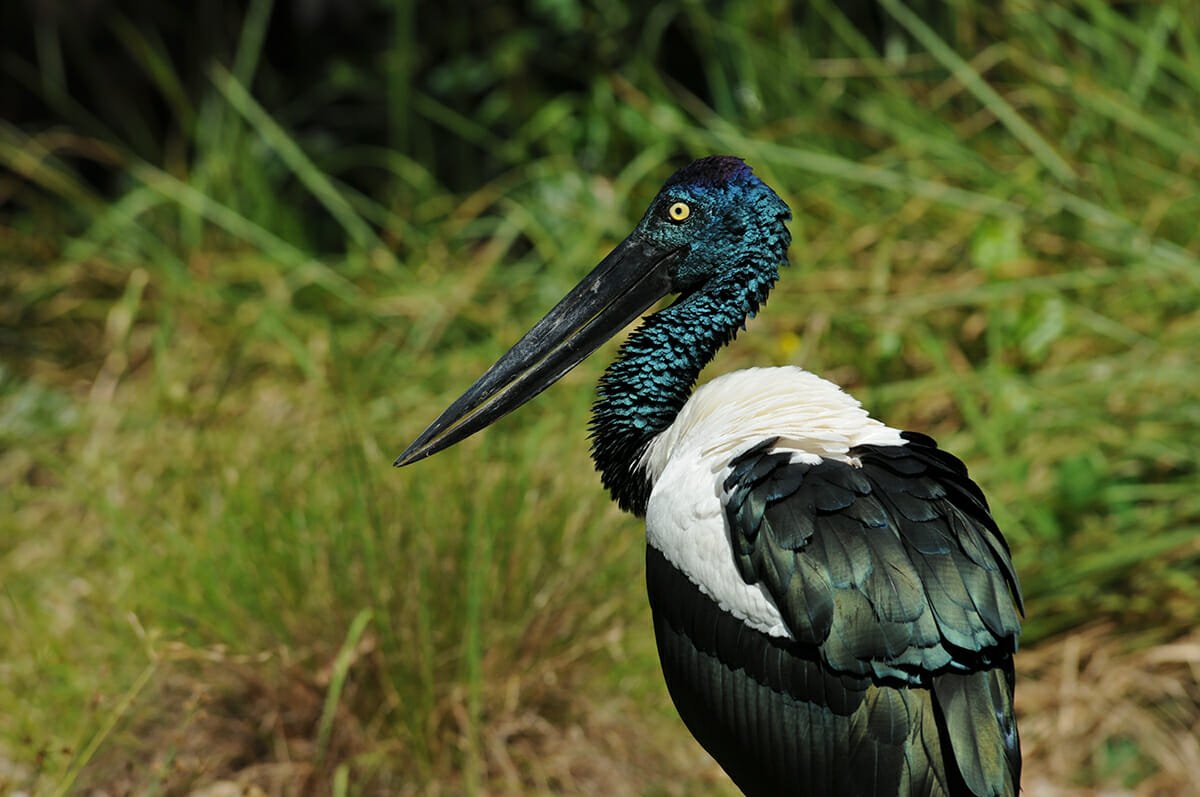
We also took the opportunity to have a close look at the Jabiru. We’ve seen these magnificent birds in Kakadu National Park and in the fields around Mary River but never close enough to properly appreciate their spectacularly iridescent plumage.
Litchfield National Park
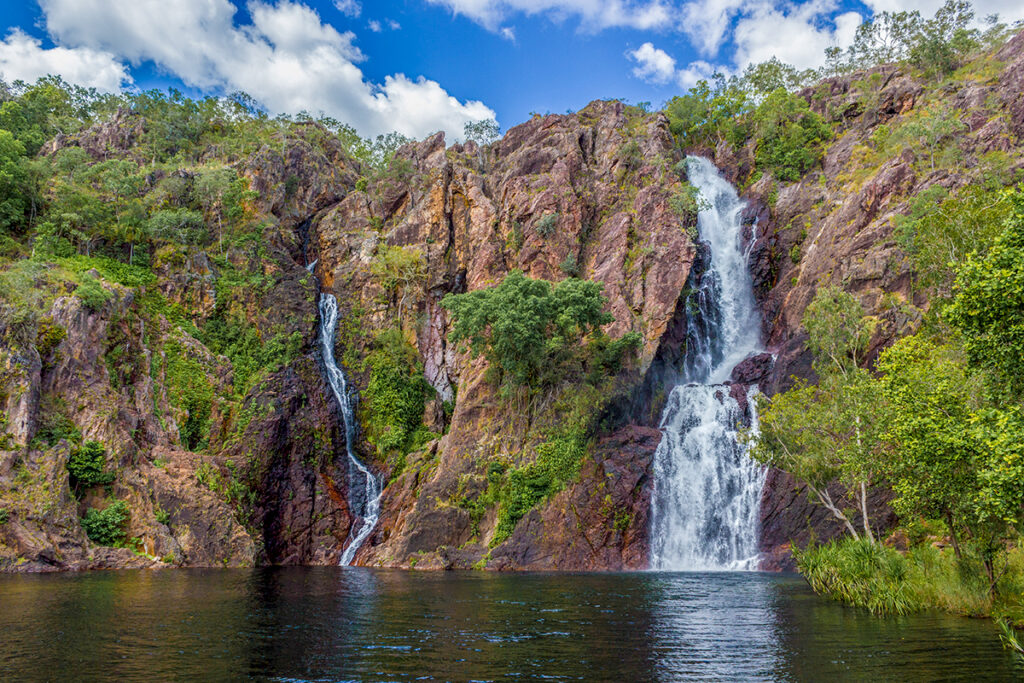
Litchfield is by far the most spectacular national park within easy reach of Darwin. Lying just over 100 km south of Darwin, a day trip to Litchfield should definitely be on your bucket list of things to do in Darwin, whether you are a nature buff or not. The park is home to some of the most beautiful waterfalls in the Northern Territory.
If you’d rather not drive, you can visit Lichfield on a day tour from Darwin. This way, you don’t have to worry about finding a parking spot in the park, which is a boon if you visit the park during the peak season. Lichfield is by far the most crowded of all attractions listed in this guide.
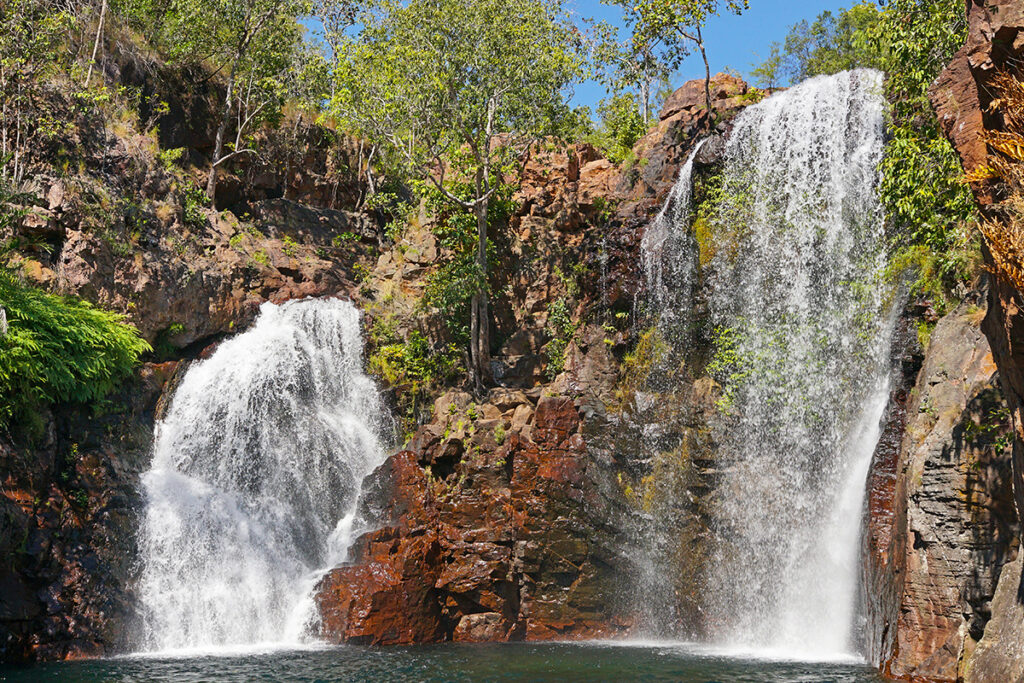
The must-see waterfalls in Lichfield are Wangi Falls, Florence Falls (anything named after Florence gets my vote!) and Tolmer falls (this one is reached by 1.6km loop walk). Bullet rock hole is a gentle 3-tied falls perfect for taking a refreshing dip.
As you drive around the park, don’t miss the enormous termite mounds – some of the largest magnetic termite mounds in the world.
Mandorah
This one is for the keenest wildlife watchers. A friend told us about a bat colony roosting underneath the jetty in Mandorah. This was too good of a local secret for us to ignore. Lying off the tourist trail, Mandorah is a lovely tranquil escape within easy reach from Darwin downtown.
We took a SeaLink ferry from Cullen Bay to Mandorah in the late afternoon in hopes of finding the bats. After some searching, we found them huddled under the boards of the jetty walkway. The roost was located directly underneath the wooden boards of the jetty and was quite hard to find, let alone photograph the bats. As far as secret wildlife spots go, these bats found one of the best!
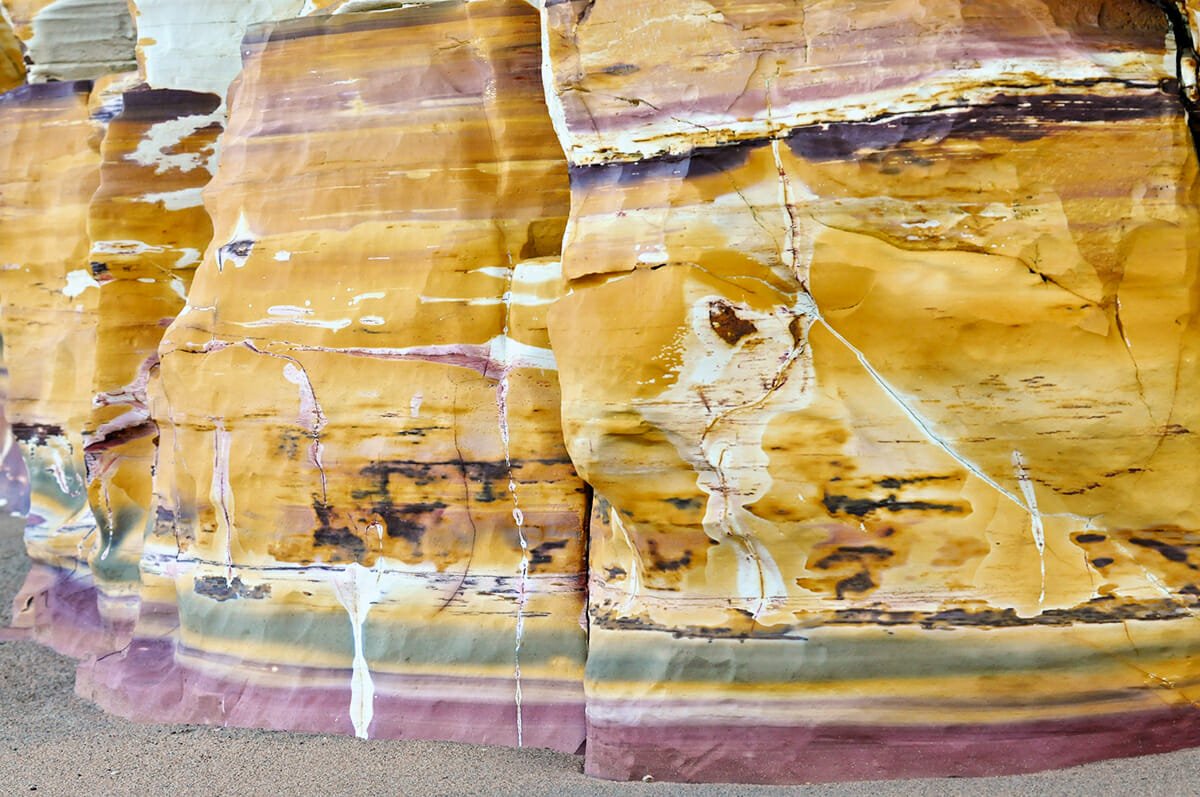
There didn’t seem too much to do at Mandorah, so we watched White-bellied sea eagles and Brahminy kites circling above us for a while and found some fascinating rocks near the jetty. The coloured bands of different types of sediment that formed these cliffs make them appear as if painted by an artist’s hand.
More Northern Territory nature adventures
- Karlu Karlu / Devils Marbles Conservation Reserve

- Things to Do in Darwin and Beyond for Nature Enthusiasts
- Fogg Dam Conservation Reserve – An Underrated Gem Near Darwin
- Adelaide to Darwin Road Trip: Ultimate Wildlife Safari in the Australian Outback
- Spotting Australian Desert Animals in the Simpson Desert
- Are Kakadu animals out to get you? Wildlife watching in Kakadu NP
- Uluru animals – Weird and wonderful creatures you can spot at Uluru
- Mary River: a Wildlife Hotspot in Northern Australia
- The stunning West MacDonnell Ranges – Northern Territory Road trip